

The Difference Between Velvet and Leather Jewelry Boxes in the Jewelry Packaging Industry
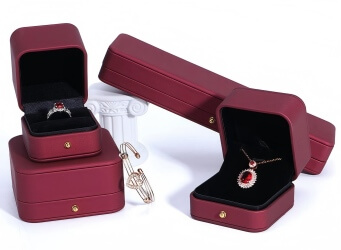
In the realm of jewelry packaging, velvet and leather boxes stand out as two iconic choices, each bringing distinct aesthetics, functionality, and brand messaging to the table. While both cater to the need of protecting and showcasing jewelry, their material properties, sensory experiences, and suitability for different brand identities and use cases set them apart significantly. For jewelry brands—whether luxury legacy houses, contemporary minimalist labels, or artisanal boutiques—understanding these differences is critical to selecting packaging that aligns with their products, target audiences, and core values. This article breaks down the key distinctions between velvet and leather jewelry boxes across four core dimensions.
1. Material Properties: Texture, Durability, and Maintenance
Velvet Jewelry Boxes
Velvet is a soft, plush fabric typically made from natural fibers (cotton, silk) or synthetic fibers (polyester, nylon). Its defining feature is a dense pile (the raised, fuzzy surface) that creates a luxuriously smooth, tactile experience.
- Durability: Velvet is less resistant to wear and tear compared to leather. The pile can flatten over time with frequent handling, and it is prone to staining from liquids, makeup, or jewelry polish. It also attracts dust and lint, requiring regular gentle cleaning.
- Maintenance: To preserve velvet boxes, they must be kept away from moisture and direct sunlight (which can fade colors). Stains often require specialized fabric cleaners, and dust should be removed with a soft-bristle brush (not a vacuum, which can damage the pile).
- Weight: Velvet-lined boxes (often paired with a rigid cardboard or wood frame) are generally lighter than full-leather boxes, making them easier to transport for gifting or travel.

Leather Jewelry Boxes
Leather is a durable, natural material derived from animal hides (e.g., cowhide, lambskin) or high-quality synthetic alternatives (vegan leather). It has a smooth, supple texture that ages uniquely over time, developing a “patina” (a subtle sheen) with use.
- Durability: Leather is significantly more durable than velvet. It resists scratches, stains (when treated with protective coatings), and general wear, making it ideal for long-term storage or frequent use (e.g., travel jewelry cases). Full-grain leather (the highest quality) can last for decades with proper care.
- Maintenance: Leather requires minimal upkeep: occasional wiping with a damp cloth to remove dust, and periodic conditioning with leather oil to prevent drying or cracking. Unlike velvet, it is less susceptible to moisture damage (though prolonged exposure to water should still be avoided).
- Weight: Leather boxes are heavier due to the material’s density, especially full-leather designs. This weight can convey a sense of luxury and substantiality but may be less convenient for lightweight gifting.

2. Aesthetic and Sensory Appeal: Brand Identity Alignment
Velvet and leather boxes evoke vastly different visual and sensory emotions, making them better suited for specific brand aesthetics and jewelry styles.
Velvet Jewelry Boxes: Softness, Elegance, and Intimacy
Velvet’s plush texture and rich color saturation create a sense of warmth, elegance, and intimacy—ideal for brands that want to emphasize delicacy or romance.
- Visual appeal: Velvet boxes often come in deep, jewel-toned colors (e.g., burgundy, emerald, sapphire) or soft neutrals (e.g., ivory, blush). The pile catches light subtly, giving the material a luxurious, matte finish that complements dainty jewelry (e.g., delicate necklaces, small earrings) by providing a soft, non-distracting backdrop.
- Sensory experience: The act of touching velvet—running fingers over its smooth pile—triggers a feeling of comfort and indulgence. This makes it perfect for brands targeting consumers seeking an “everyday luxury” or emotional gifting experience (e.g., birthday gifts, self-care purchases).
- Brand fit: Velvet boxes align with brands that have a romantic, bohemian, or minimalist aesthetic. For example, artisanal jewelry brand Catbird uses ivory velvet boxes for its dainty stackable rings, enhancing the pieces’ delicate nature without overwhelming them.
Leather Jewelry Boxes: Luxury, Sophistication, and Timelessness
Leather’s smooth texture and classic appearance convey sophistication, timelessness, and premium quality—making it a staple for luxury jewelry brands.
- Visual appeal: Leather boxes typically come in neutral tones (e.g., black, brown, tan) or bold accents (e.g., red, gold), with subtle details like embossed logos or metallic stitching. The material’s smooth surface and patina add a sense of heritage, making it ideal for high-value jewelry (e.g., diamond engagement rings, designer bracelets) that demands a “premium” presentation.
- Sensory experience: Leather has a cool, supple feel that exudes refinement. The slight resistance when opening a leather box (e.g., a magnetic leather case) creates a satisfying, intentional sensory moment—reinforcing the idea that the jewelry inside is a valuable investment.
- Brand fit: Leather boxes are synonymous with legacy luxury brands. Cartier’s iconic red leather cases, for instance, use high-quality cowhide to reflect the brand’s regal heritage, while modern luxury labels like Mejuri offer black leather boxes for their sleek, minimalist designs—balancing timelessness with contemporary style.

3. Cost and Sustainability: Budget and Ethical Considerations
Velvet and leather boxes differ in production costs and environmental impact, factors that matter to brands prioritizing budget or sustainability.
Velvet Jewelry Boxes: Cost-Effective Luxury
- Cost: Velvet is generally more affordable than high-quality leather. Synthetic velvet (polyester-based) is particularly budget-friendly, making it accessible for mid-tier or emerging jewelry brands. Even silk velvet (a premium option) is often less expensive than full-grain leather.
- Sustainability: Velvet’s eco-friendliness depends on the fiber:
- Natural velvet (cotton, silk) is biodegradable but may have higher water usage during production.
- Synthetic velvet (polyester) is derived from plastic, which is non-biodegradable—but recycled polyester velvet (made from plastic bottles) offers a more sustainable alternative.
- Most velvet boxes use a rigid frame (often cardboard), which can be sourced from recycled or FSC-certified materials to boost sustainability.
Leather Jewelry Boxes: Premium Cost with Sustainability Trade-Offs
- Cost: Leather boxes are significantly more expensive, especially those made from full-grain or exotic leathers (e.g., crocodile skin). Vegan leather options are more affordable but still pricier than synthetic velvet. The higher cost reflects leather’s durability, craftsmanship, and premium perception.
- Sustainability: Leather’s environmental impact is a point of consideration:
- Traditional leather production uses large amounts of water, energy, and chemicals (for tanning), making it less eco-friendly than natural velvet.
- Vegan leather (made from materials like polyurethane or mushroom leather) reduces animal harm but may rely on plastic-based components (unless sourced from plant-based alternatives like pineapple leather).
- Some luxury brands opt for “responsible leather” (sourced from farms with ethical animal welfare standards) or recycled leather (made from scrap leather pieces) to improve sustainability.
4. Brand Messaging and Consumer Perception
Ultimately, the choice between velvet and leather boxes sends a distinct message to consumers, shaping how they perceive the brand and its jewelry.
Velvet Boxes: Approachable Luxury and Emotional Connection
Velvet boxes signal “approachable luxury”—they feel indulgent but not intimidating. This makes them ideal for brands that want to connect with consumers on an emotional level, such as:
- Brands focused on gifting (e.g., Zales, which uses velvet boxes for holiday gift sets).
- Artisanal or small-batch brands that emphasize craftsmanship over exclusivity.
- Labels targeting younger consumers (Gen Z, millennials) who value “feel-good” experiences over overt opulence.
Leather Boxes: Exclusivity, Investment, and Heritage
Leather boxes convey “premium exclusivity”—they position jewelry as an investment, not just a purchase. This resonates with:
- Luxury legacy brands (e.g., Tiffany & Co., Bulgari) that want to reinforce their heritage and status.
- Brands selling high-value pieces (e.g., engagement rings, luxury watches) where packaging needs to match the product’s price point.
- Consumers seeking long-term value (e.g., collectors or those buying jewelry for milestones like weddings).
Conclusion: Choosing the Right Box for Your Brand
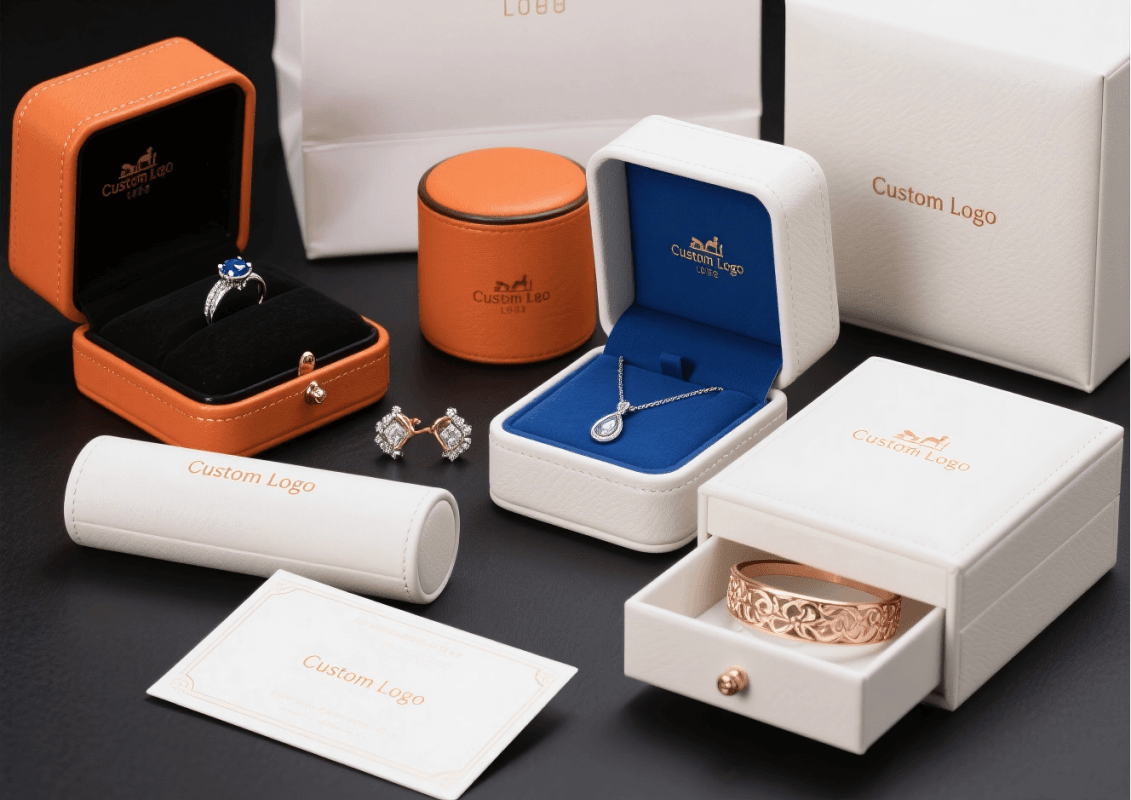
Velvet and leather jewelry boxes are not just “containers”—they are extensions of a brand’s identity and values. Velvet excels at creating soft, emotional, and cost-effective packaging for delicate jewelry and approachable luxury brands. Leather, by contrast, offers durability, timeless sophistication, and premium appeal for high-value pieces and legacy brands.
The key to choosing between them lies in aligning the box’s properties with your brand’s aesthetic, target audience, and jewelry type:
- Opt for velvet if your brand is romantic, minimalist, or budget-conscious, and your jewelry is delicate or intended for gifting.
- Choose leather if your brand emphasizes luxury, durability, or heritage, and your jewelry is high-value, heavy, or designed for long-term use.
By understanding these differences, jewelry brands can select packaging that not only protects their products but also enhances their perceived value and strengthens their connection with consumers.
If you need help refining this analysis (such as comparing specific velvet/leather box suppliers or creating a cost-effective list for your brand), please contact us here. Our professional service team can generate a customized velvet and leather jewelry packaging solution based on your needs.