

The Technological Evolution and Future of Jewelry Packaging Boxes
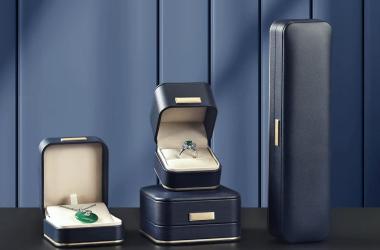
In the dynamic landscape of the jewelry industry, packaging boxes are no longer just containers; they are a crucial part of the brand narrative, customer experience, and product protection. The technological evolution of jewelry packaging boxes has been a remarkable journey, driven by factors such as consumer demands, environmental concerns, and advancements in manufacturing and digital technologies.
1.The Technological Evolution of Jewelry Packaging Boxes
Material Innovations: From Traditional to Sustainable
Historically, jewelry packaging boxes predominantly used materials like cardboard, wood, and plastic. Cardboard boxes were cost – effective and easy to print on, making them popular for mass – market jewelry. Wooden boxes, often lined with velvet or silk, added a touch of luxury and were favored for high – end pieces. Plastic, in the form of clear display cases or molded inserts, provided durability and visibility.
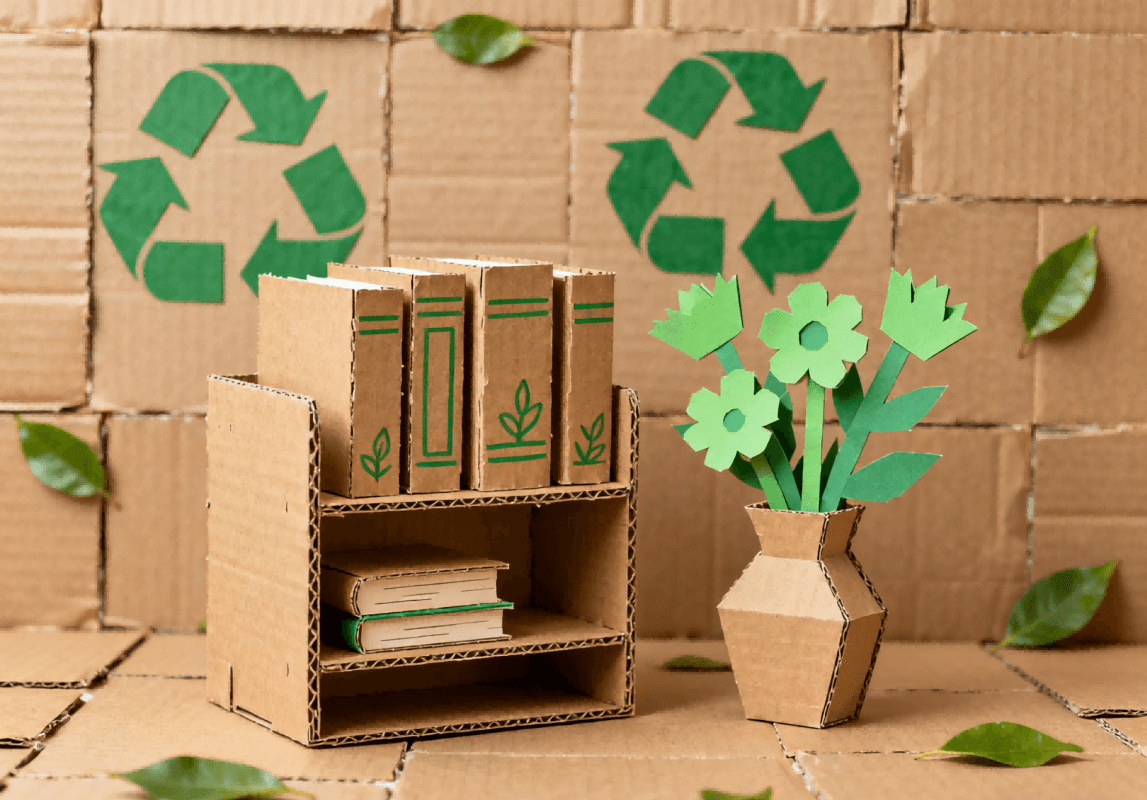
However, in recent years, there has been a significant shift towards sustainable materials. The growing environmental consciousness among consumers and stricter environmental regulations have spurred this change. Recycled paper and cardboard are now widely used, with many brands opting for FSC (Forest Stewardship Council) – certified materials to ensure responsible sourcing. Biodegradable plastics, such as polylactic acid (PLA) derived from renewable resources like corn starch, are also making inroads. Bamboo fiber is another emerging sustainable option, known for its rapid growth and strength. For example, some jewelry brands now use boxes made entirely from recycled paperboard with water – based inks for printing, reducing their carbon footprint significantly.
Manufacturing Technologies: Precision and Efficiency
Early jewelry packaging box manufacturing relied heavily on manual labor, which was time – consuming and had limitations in terms of precision. With the advent of modern manufacturing technologies, the process has become more automated and precise. Digital printing has revolutionized the way designs are applied to boxes. High – resolution printers can now reproduce intricate patterns, brand logos, and even personalized messages with exceptional clarity. This has enabled brands to create more visually appealing and unique packaging.
CNC (Computer Numerical Control) machining has also transformed the production of wooden and metal jewelry boxes. It allows for the creation of complex shapes and precise cuts, enhancing the overall quality and aesthetics of the boxes. For instance, CNC – machined wooden boxes can have detailed engravings and perfectly fitted compartments. Additionally, injection molding technology has made it easier and more cost – effective to produce plastic inserts and components with consistent quality for jewelry packaging.
Incorporation of Digital and Interactive Elements
The digital age has brought about a new dimension to jewelry packaging boxes. QR codes and NFC (Near – Field Communication) tags are increasingly being integrated into packaging. A customer can scan a QR code on the box with their smartphone to access additional information about the jewelry piece, such as its origin, materials used, care instructions, and even a virtual tour of the brand’s workshop. NFC tags can provide a similar experience, with the added convenience of a simple tap. Some high – end jewelry brands are also experimenting with augmented reality (AR) and virtual reality (VR) in their packaging. For example, an AR – enabled box can allow the customer to virtually try on the jewelry or view 360 – degree views of the piece in a more immersive way.

2.The Future of Jewelry Packaging Boxes: Technological Trends to Watch
Advanced Sustainable Materials
The future will see even more innovative sustainable materials in jewelry packaging. For example, mycelium – based materials, which are made from the root structure of mushrooms, are being explored. These materials are biodegradable, lightweight, and can be molded into various shapes. They have the potential to replace traditional foams and plastics used in jewelry inserts. Another area of development is in the creation of self – healing materials. Imagine a jewelry box made from a material that can repair minor scratches or dents on its own, extending its lifespan and reducing waste. Additionally, research is underway to develop materials that can change color or texture in response to environmental factors, such as temperature or humidity, which could be used to indicate the condition of the stored jewelry.
Smart Packaging with Internet of Things (IoT) Integration
IoT technology will play a more significant role in jewelry packaging. Smart boxes could be equipped with sensors to monitor the internal environment, such as temperature, humidity, and light exposure. This is crucial for protecting delicate gemstones and precious metals. For example, if the humidity inside the box exceeds a certain level, the sensor can send an alert to the owner’s smartphone, prompting them to take corrective action. Moreover, IoT – enabled packaging can also be used for inventory management. Retailers can track the movement of jewelry boxes from the warehouse to the store shelves in real – time, reducing the risk of loss or theft.
3D Printing for Customization and Complex Designs
3D printing technology will continue to disrupt the jewelry packaging industry. It allows for highly customized and complex box designs that are difficult or impossible to achieve with traditional manufacturing methods. Brands can offer customers the option to design their own jewelry boxes, which can then be 3D – printed on – demand. This level of customization not only enhances the customer experience but also reduces the need for large – scale inventory. In addition, 3D printing can be used to create intricate internal structures within the box, such as unique holders for different types of jewelry. As the cost of 3D printing technology continues to decline, it will become more accessible to both large and small jewelry brands.
Enhanced Interactive and Immersive Experiences
The use of AR, VR, and mixed reality (MR) in jewelry packaging will become more widespread. Brands will be able to create more engaging and immersive experiences for customers. For example, a customer opening a jewelry box could be greeted with an AR – based story about the inspiration behind the jewelry piece, or a VR – enabled box could transport them to the location where the gemstones were mined. MR technology could blend the real – world view of the jewelry with virtual elements, such as additional design options or historical context. These interactive experiences will not only make the unboxing process more memorable but also deepen the customer’s connection with the brand.
Conclusion
The technological evolution of jewelry packaging boxes has been a transformative journey, and the future holds even more promise. From sustainable materials to smart packaging and enhanced digital experiences, these technological advancements are reshaping the way jewelry is presented, protected, and interacted with. Jewelry brands that embrace these technologies will be better positioned to meet the evolving demands of consumers, enhance their brand image, and stay competitive in a rapidly changing market. As technology continues to advance at a breakneck pace, the jewelry packaging box of the future is likely to be a far cry from its predecessors, offering a blend of functionality, sustainability, and innovation that was once unimaginable.
To this end, Syonpack has prepared customizable and personalized jewelry boxes for you, which can not only promote environmental awareness, but also make consumers feel good about your brand through packaging! Click here to contact us.