

The Difference Between Tiffany Jewelry Packaging and Other Jewelry Packaging in the Packaging Industry

In the highly competitive and glamorous world of jewelry, packaging is far more than a simple container; it serves as a powerful extension of a brand’s identity, playing a pivotal role in enhancing the perceived value of the precious items it holds. Among the plethora of jewelry brands, Tiffany & Co. stands out prominently, not only for its exquisite jewelry creations but also for its iconic packaging. The packaging of Tiffany jewelry diverges significantly from that of other brands in the industry, with distinctions evident in aspects such as color symbolism, design philosophy, material quality, and the emotional connection it forges with consumers.
1. Color: The Unrivaled Power of Tiffany Blue
The Iconic Shade of Tiffany Blue
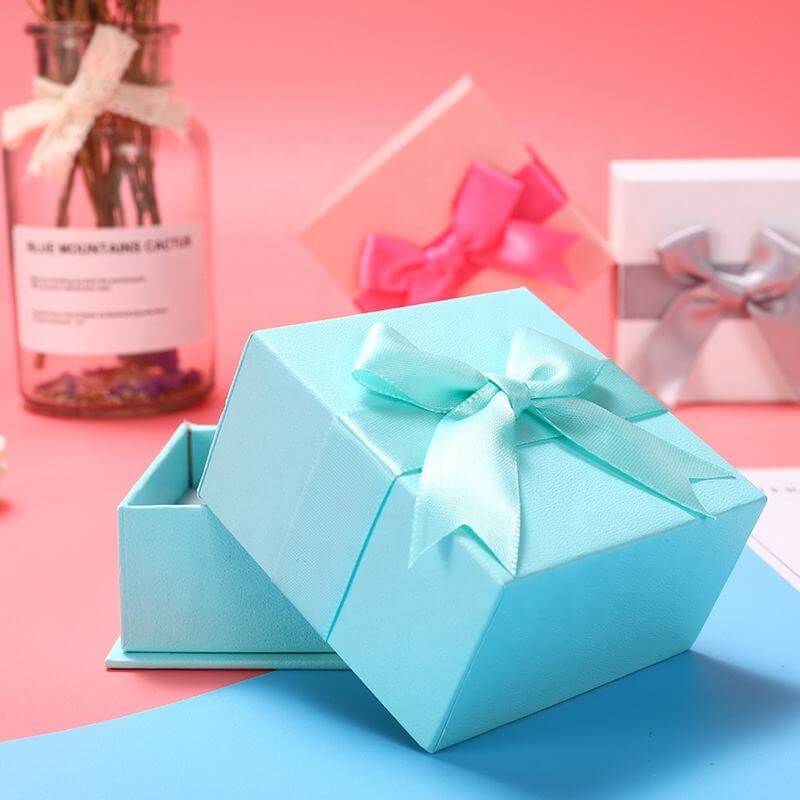
Tiffany’s utilization of its signature blue, officially recognized as “Tiffany Blue” (Pantone 1837), is perhaps the most instantly recognizable and defining aspect of its packaging. This distinct hue, which was registered by the brand in 1998, has become inextricably linked with Tiffany & Co. Since the company’s establishment in 1837, this color has been a consistent and prominent feature of its packaging, playing a crucial role in shaping its strong and enduring brand image. Described as a robin’s egg blue, it exudes a soft, calming, and refined elegance. Its uniqueness is such that it can be immediately identified, even in the absence of the brand name.
In contrast, other jewelry brands exhibit a wide spectrum of color choices in their packaging. Some opt for classic and opulent colors like black, red (as seen in Cartier’s iconic red), or gold to convey a sense of luxury. For instance, Cartier’s red packaging is a symbol deeply rooted in its brand heritage and is instantly associated with the brand. However, unlike Tiffany Blue, which is exclusive to Tiffany & Co., these colors are more commonly employed across various luxury and non – luxury sectors. Other brands may also select colors based on current design trends or to align with the color scheme of their stores and marketing materials, resulting in a more diverse and less distinct color identity compared to Tiffany.
Color Psychology and Brand Perception
Tiffany Blue elicits specific emotions and associations. It is often linked to feelings of purity, romance, and elegance. When consumers encounter the Tiffany Blue box, they instinctively associate it with high – quality jewelry, special occasions, and the luxury that Tiffany represents. Over the years, this color has been carefully cultivated to create a sense of desirability and exclusivity.
On the other hand, the colors utilized by other brands may evoke different psychological responses. Black, for example, is commonly associated with sophistication and mystery but is also a more widespread choice across multiple industries and may not be uniquely tied to a particular jewelry brand’s identity. Red, as used by Cartier, conveys passion and luxury but may not possess the same universal and exclusive connotations as Tiffany Blue. Brands that rely on trendy or seasonal colors in their packaging may struggle to establish a long – lasting and consistent brand perception based on color alone, as these colors are subject to change with fashion cycles.
2. Design Philosophy: Timeless Minimalism with a Distinctive Touch
Tiffany’s Understated Elegance
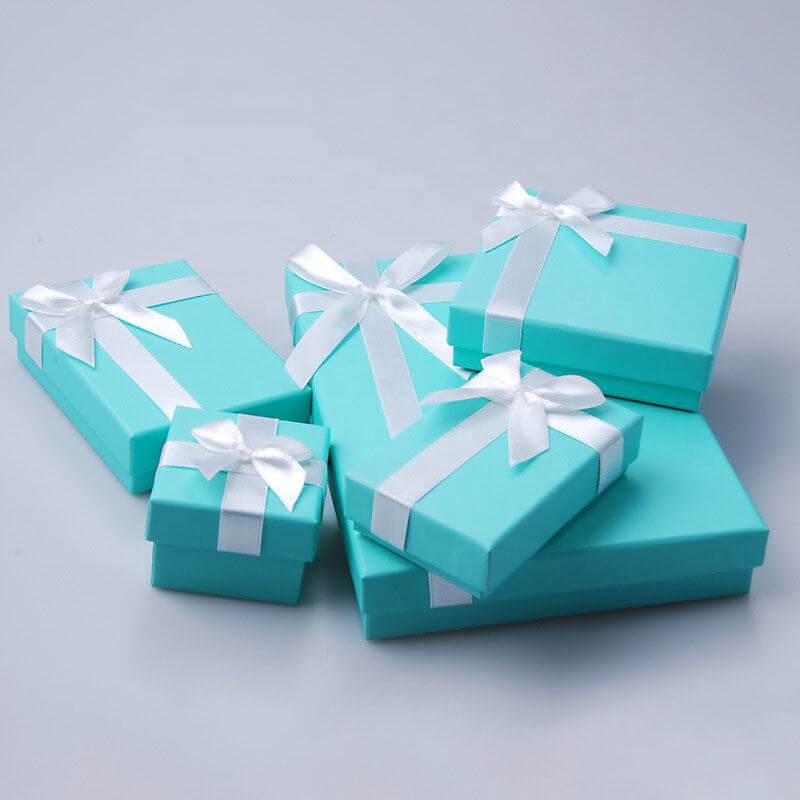
Tiffany’s packaging design is characterized by a clean, minimalist aesthetic. The classic Tiffany Blue box typically features a simple, rectangular shape with smooth sides. The brand name, “Tiffany & Co.”, is embossed on the lid in a sophisticated, understated font. This simplicity allows the jewelry within to take center stage. The addition of a white satin ribbon, a staple of Tiffany packaging, adds a touch of elegance and a sense of celebration. The ribbon is meticulously tied in a neat bow, creating an inviting and visually appealing presentation.
In contrast, other jewelry brands may embrace more elaborate or diverse design philosophies. Some luxury brands incorporate intricate patterns, embossing, or decorative elements on their packaging to showcase their craftsmanship. For example, certain high – end European jewelry brands may use ornate, hand – engraved designs on their boxes to reflect their long – standing heritage and artisanal techniques. While these designs can be visually stunning, they may draw attention away from the jewelry itself. Other brands, particularly those targeting a younger or more fashion – forward audience, may adopt more modern, avant – garde designs with bold shapes or unexpected materials. However, these designs may lack the timeless quality that Tiffany’s minimalist approach offers.
Functionality and Brand Consistency
Tiffany’s packaging also places a strong emphasis on functionality. The box is designed to securely hold the jewelry, with appropriate cushioning to safeguard it during transportation and storage. The interior lining, often crafted from soft fabric, not only protects the jewelry from scratches but also provides a luxurious backdrop for the pieces. The design of the box and the manner in which the jewelry is presented within it are consistent across all Tiffany products, whether it’s a delicate pair of earrings or a large, elaborate necklace.
Other jewelry brands may vary in their approach to functionality. Some may prioritize the aesthetics of the packaging at the expense of practicality. For example, a brand that uses a very unique or irregularly shaped box may encounter challenges in ensuring proper protection for the jewelry inside. Additionally, without a consistent design approach across all product lines, different pieces of jewelry from the same brand may be presented in a way that lacks a cohesive brand image.

3. Material Quality: Uncompromising Standards for a Lasting Impression
Tiffany’s Premium Material Selection
Tiffany is renowned for using high – quality materials in its packaging. The outer box is typically constructed from sturdy cardboard with a special coating to maintain the integrity of the Tiffany Blue color. The white satin ribbon is of exceptional quality, featuring a smooth texture and a lustrous sheen. The interior lining is often a soft, high – grade fabric, such as silk or a silk – like material, which not only feels luxurious but also effectively protects the jewelry from damage.
In comparison, other jewelry brands may employ a wider range of materials, with varying levels of quality. Some mid – tier or budget jewelry brands may use cheaper cardboard for their boxes, which may lack durability and visual appeal. The ribbons used by these brands may be made of synthetic materials that lack the elegance of Tiffany’s satin ribbons. Even among luxury brands, material choices can differ significantly. Some may use leather for their boxes, which can be luxurious but also requires more maintenance and may not possess the same fresh, clean look as Tiffany’s cardboard boxes.
Sustainability Considerations
In recent years, as sustainability has emerged as a crucial concern in the packaging industry, Tiffany has also taken steps in this regard. While maintaining the high quality of its packaging, the brand has explored the use of more sustainable materials. For example, the cardboard used in its boxes may be sourced from recycled materials, and the brand may be actively working on reducing waste in its packaging production process.
Other jewelry brands are also beginning to address sustainability, but their approaches vary widely. Some may be further advanced in their sustainability initiatives, using fully biodegradable or compostable materials for their packaging. However, these brands may face challenges in balancing sustainability with the high – end look and feel that consumers expect from luxury jewelry packaging. On the other hand, some brands may not have made significant progress in sustainability, continuing to rely on traditional, less eco – friendly materials in their packaging.
4. Brand Association and Exclusivity
Tiffany’s Indelible Brand Association
The Tiffany Blue box has become an iconic symbol of luxury and exclusivity on a global scale. It is widely recognized and is often associated with special moments, such as engagements, weddings, and other significant celebrations. The brand has painstakingly cultivated this image over the years, and the packaging plays a central role in maintaining and enhancing it. The fact that the Tiffany Blue box is not sold separately but is only provided with the purchase of Tiffany jewelry further adds to its exclusivity.
Other jewelry brands may have strong brand associations as well, but they are often based on different factors. Some may be known for their unique designs, heritage, or the quality of their gemstones. However, the packaging may not be as integral to their brand identity as it is for Tiffany. For example, a brand that specializes in antique – style jewelry may be more closely associated with the historical authenticity of its pieces rather than the packaging. Some brands may also find it challenging to create the same level of global recognition and exclusivity through their packaging as Tiffany has achieved.
Marketing and the Packaging Experience
Tiffany leverages its packaging as a powerful marketing tool. The unboxing experience of a Tiffany Blue box is often highly anticipated by consumers. The brand has also capitalized on the popularity of its packaging through various marketing campaigns and collaborations. For instance, limited – edition Tiffany products may come in specially designed boxes that further enhance their desirability.
In contrast, other jewelry brands may not place as much emphasis on the packaging as a marketing element. Some may focus more on advertising their jewelry through traditional media or social media, without highlighting the packaging as a unique selling point. Brands that fail to create a memorable unboxing experience may miss out on an opportunity to build a deeper emotional connection with their customers.
In conclusion, the differences between Tiffany jewelry packaging and that of other brands in the industry are multi – dimensional. From the unique color and minimalist design to the high – quality materials and strong brand association, Tiffany’s packaging has set a benchmark in the jewelry packaging world. While other brands may possess their own strengths and unique selling points, Tiffany’s packaging has managed to create a distinct and enduring image that is instantly recognizable and highly coveted by consumers worldwide. This has not only enhanced the value of the jewelry inside but has also made the Tiffany packaging an integral and cherished part of the brand’s allure.
We understand that packaging is crucial to your jewelry business. Whether you’re looking for eco-friendly packaging, a luxurious finish, or custom jewelry packaging that matches your brand’s personality, we’re happy to design the perfect solution for you. Create packaging as unique and beautiful as your jewelry! Click here contact us today!