

Which Packaging Should Be Chosen to Give Gifts to Elders? A Guide for Jewelry Packaging
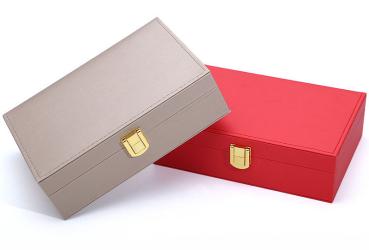
When gifting jewelry to elders—whether for birthdays, festivals , or milestone moments like 50th wedding anniversaries—the packaging plays a pivotal role in conveying respect, warmth, and thoughtfulness. Elders often value tradition, practicality, and emotional resonance over fleeting trends, so the right jewelry packaging should align with these preferences. Unlike packaging for younger demographics (which may prioritize minimalism or interactivity), packaging for elders needs to balance elegance with familiarity, durability with ease of use, and symbolic meaning with understated sophistication.
1.Prioritize Traditional Aesthetics: Familiarity and Symbolism
Elders often have a deep appreciation for traditional design elements that evoke nostalgia, cultural heritage, or positive symbolism. Packaging that leans into classic, time-honored aesthetics avoids feeling “too modern” or unfamiliar, making the gift feel more personal and thoughtful.
A. Timeless Colors: Avoid Bold Trends, Embrace Warmth and Dignity
- Rich, muted tones: Deep red (symbolizes joy and prosperity in many cultures), burgundy (elegance), navy blue (dignity), or forest green (longevity) are safe, sophisticated choices.
- Neutral classics: Cream, ivory, or soft beige exude calmness and timelessness. These colors work well for understated jewelry (e.g., a simple silver bracelet) and complement the metal tones of the piece without clashing.
- Metallic accents (subtle): Gold or silver foil details (e.g., a small embossed pattern on a red box) add elegance without being flashy. Avoid excessive metallics—elders often prefer restraint over ostentation.
B. Traditional Patterns: Cultural Significance and Nostalgia
Incorporating subtle, meaningful patterns can deepen the emotional connection of the packaging
- Cultural motifs: For elders with cultural ties, patterns like Chinese cloud motifs (symbolize good fortune), floral embroidery (peonies for prosperity, plum blossoms for resilience), or classic damask (European heritage) add a personal touch. A wooden jewelry box with hand-carved peony patterns, for instance, feels thoughtful and rooted in tradition.
- Minimal ornamentation: Avoid overly complex or abstract patterns (e.g., geometric prints) that may be hard to recognize. Stick to simple, familiar designs—even a small, embroidered border on a fabric-lined box can feel special without overwhelming the eye.
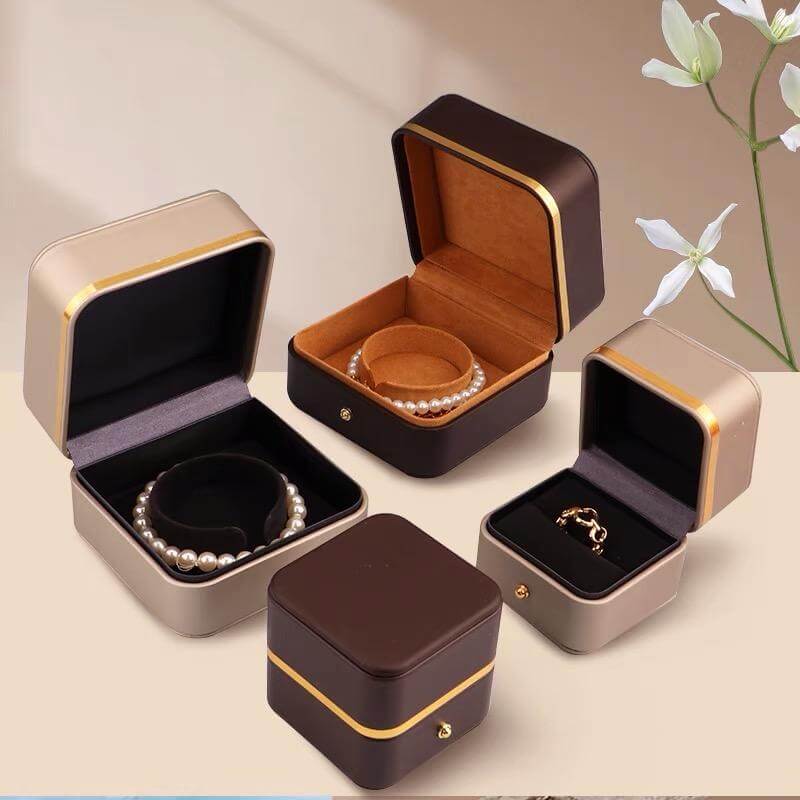
2.Choose Durable, Practical Materials: Longevity and Ease of Use
A. Sturdy Exteriors: Protection and Reusability
- Wood: Solid wood (e.g., pine, walnut) or high-quality plywood boxes are durable, reusable, and have a warm, natural appeal. They protect jewelry well and can be used for years to store rings, earrings, or bracelets. A small wooden box with a magnetic closure (easy to open and close, no fussy latches) is ideal for elders with limited dexterity.
- Leather (genuine or high-quality vegan): Leather boxes are durable, age well (developing a soft patina over time), and feel luxurious without being delicate. Look for smooth leather (easy to clean with a damp cloth) and simple closures (e.g., a snap or magnetic fastener) instead of complicated zippers or clasps.
B. Soft, Gentle Interiors: Protect Jewelry and Comfort
The interior of the packaging should be soft enough to protect delicate jewelry while being easy to access:
- Velvet or satin linings: These fabrics are gentle on jewelry, prevent scratches, and feel luxurious.
- Felt inserts: Felt is durable, affordable, and easy to maintain. Custom-fitted felt inserts (e.g., a slot for a ring, a small pouch for a pendant) keep jewelry organized, making it easy for elders to find and store their pieces.
- Avoid loose materials: Steer clear of loose tissue paper or small decorative elements (e.g., glitter, small beads) that can be messy or difficult to clean up.

3.Inject your love into the packaging
A. Handwritten Notes
A handwritten note (even a short one) inside the box lid adds warmth and authenticity. Elders often cherish handwritten words, as they feel more personal than printed text. For example: “Dear Grandma, This bracelet reminds me of the one you used to wear—hope it brings you as much joy as you’ve brought me. Love, Lily.”
B. Reusable Features: Practicality with Sentiment
- Multi-functional boxes: A jewelry box that doubles as a small vanity tray (e.g., a wooden box with a removable lid) or a travel case (with a secure closure) gives the packaging a second life. Elders will think of you every time they use it.
- Personalized Engravings (Subtle): A small engraving (e.g., their name, a meaningful date like their birthday) on the box adds a personal touch without being overly flashy. For example, a leather box engraved with “Grandpa 1945–” (his birth year) feels respectful and lasting.
C. Avoid Overly “Young” Trends
Steer clear of trends like AR integration, neon colors, or minimalist designs with no ornamentation—these may feel alienating or impersonal. Elders often associate “thoughtfulness” with familiarity, so stick to designs that feel timeless and rooted in shared experiences.
Conclusion
Choosing jewelry packaging for elders is about respect, practicality, and sentiment. The best packaging avoids trendy excess, instead leaning into traditional aesthetics, durable materials, and easy-to-use features—all while adding small, personal touches that reflect your relationship. By prioritizing what elders value—familiarity, longevity, and thoughtfulness—you turn the packaging into an extension of the gift itself, making the moment of giving feel even more meaningful.
Remember: The goal is not to impress with flashy design, but to show that you’ve considered their preferences and needs. A well-chosen box will not only protect the jewelry but also become a cherished item they use and think of you for years to come.
If you are looking for gift packaging for elders, click on our website to check it out