

How Long Are the Service Lives of Packaging Boxes Made of Different Materials?

In the jewelry industry, the service life of a packaging box is more than a logistical detail—it directly impacts sustainability, brand value, and consumer experience. A box that deteriorates quickly not only creates waste but also undermines the sentimental value of jewelry (e.g., engagement rings, heirloom pieces) that may be stored for decades. The service life of a jewelry packaging box varies dramatically based on its material, as each material responds differently to environmental factors (moisture, sunlight, friction), usage frequency, and maintenance. This article explores the typical service lives of packaging boxes made from common jewelry packaging materials, explains the factors that shorten or extend their lifespan, and offers guidance for brands and consumers seeking durability.
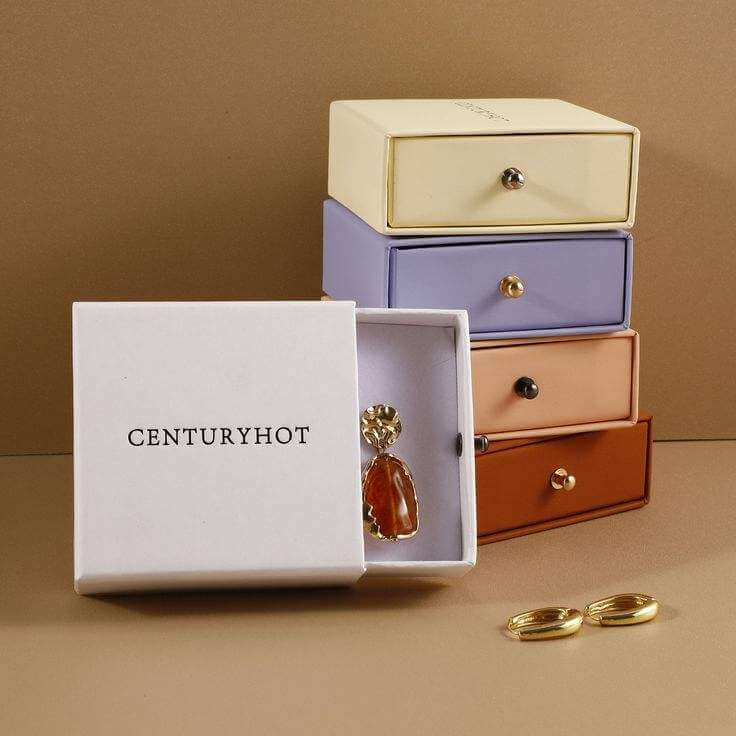
1. Paper and Cardboard Boxes: 6 Months to 3 Years
Paper and cardboard are the most widely used materials for entry-level jewelry packaging (e.g., costume jewelry, promotional gifts). Their service life is the shortest among common packaging materials, primarily due to their vulnerability to moisture and physical wear.
Typical Service Life
- Basic uncoated cardboard: 6–12 months. These boxes (often used for low-cost jewelry) absorb moisture easily, warp in humid conditions, and tear with repeated handling. They are rarely designed for long-term use.
- Coated or laminated cardboard: 1–3 years. Coated cardboard (with a water-resistant layer) or laminated cardboard (with a plastic or paper overlay) resists moisture and tearing better. For example, a coated cardboard box used to store a pair of sterling silver earrings (kept in a dry drawer) may last 2–3 years before the coating peels or the structure weakens.
- Premium paper-based boxes (e.g., rigid paperboard with fabric lining): Up to 3 years. These boxes (common for mid-tier jewelry) have a sturdier core and protective lining, but the paper base still degrades over time—especially if exposed to light or humidity.
Key Factors Influencing Lifespan
- Moisture: The biggest enemy of paper/cardboard. Even small spills or high humidity (above 60%) can cause warping, mold growth, or disintegration.
- Light: UV rays fade printed designs and weaken paper fibers, making boxes brittle.
- Handling: Repeated opening/closing or stacking heavy items on top bends or crushes the box structure.
Tips to Extend Life
- Store in a dry, dark cabinet (avoid bathrooms or near windows).
- Line the box with a plastic sleeve (for moisture protection) if used for long-term storage.
- Avoid stacking or placing heavy objects on top.
2. Plastic Boxes: 2 to 10 Years
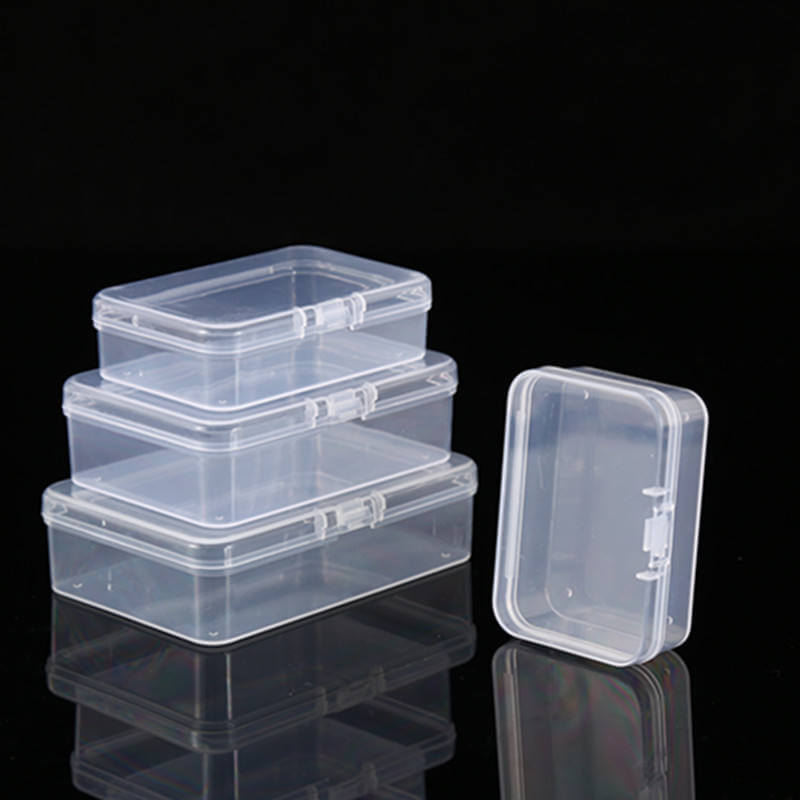
Plastic is a durable, moisture-resistant material used for jewelry packaging (e.g., blister packs, molded plastic boxes). Its service life is longer than paper, but it still degrades over time due to UV exposure and chemical reactions.
Typical Service Life
- Basic plastic (PET, PVC): 2–5 years. Thin plastic boxes (used for small jewelry components like beads or studs) become brittle and discolored when exposed to sunlight. For example, a clear PVC ring box left on a vanity near a window may turn yellow and crack after 3 years.
- Thick, high-quality plastic (polypropylene, ABS): 5–10 years. These plastics are more resistant to UV damage and impact. A thick polypropylene jewelry box with a snap closure (used to store travel jewelry) can last 7–10 years if kept out of direct sunlight.
- Plastic with anti-UV additives: Up to 10 years. Some premium plastic boxes (used for outdoor markets or display) include additives that block UV rays, slowing discoloration and brittleness.
Key Factors Influencing Lifespan
- UV exposure: Causes “photo-oxidation,” which breaks down plastic molecules, leading to yellowing, cracking, and brittleness.
- Temperature extremes: High heat (e.g., near a heater) softens plastic, while cold (e.g., a garage) makes it brittle.
- Chemicals: Contact with perfumes, hairsprays, or jewelry polish can dissolve or discolor plastic.
Tips to Extend Life
- Store away from direct sunlight (use a drawer or cabinet).
- Avoid contact with harsh chemicals—clean plastic boxes with mild soap and water only.
- Keep in a temperature-stable environment (60–75°F / 15–24°C).
3. Wooden Boxes: 5 to 20+ Years
Wood is a natural, durable material prized for its warmth and longevity. It is commonly used for mid-to-high-end jewelry packaging (e.g., heirloom boxes, luxury gift sets). With proper care, wooden boxes can become family keepsakes.
Typical Service Life
- Softwoods (pine, cedar): 5–10 years. Pine is affordable but softer, prone to scratches and dents. A pine jewelry box used daily may show wear after 5 years, but with refinishing, it can last 10+ years. Cedar (naturally insect-resistant) has a similar lifespan and adds the benefit of protecting jewelry from moths.
- Hardwoods (oak, walnut, mahogany): 10–20+ years. Hardwoods are dense and scratch-resistant. An oak jewelry box with a clear finish, stored properly, can last 15–20 years. A mahogany box (a premium hardwood) may last decades—even becoming an heirloom passed down through generations.
- Treated or sealed wood: Up to 25 years. Wood treated with water-resistant sealants or stains resists moisture damage, extending its life further.
Key Factors Influencing Lifespan
- Moisture: Wood absorbs water, leading to warping, cracking, or mold growth. High humidity (above 50%) is particularly damaging.
- Pests: Softwoods are vulnerable to termites or beetles (cedar is naturally pest-resistant).
- Finish wear: The clear coat or stain on wooden boxes fades or scratches over time, exposing the wood to damage.
Tips to Extend Life
- Apply a wood conditioner or sealant every 2–3 years to protect the finish.
- Store in a dry area (use silica gel packets inside to absorb moisture).
- Clean with a dry cloth—avoid water or harsh cleaners (they strip the finish).
- Repair scratches with wood filler and touch-up stain.

4. Leather Boxes: 5 to 30+ Years
Leather is a luxury material known for its durability and ability to age beautifully (developing a “patina” over time). It is the material of choice for high-end jewelry packaging (e.g., Cartier’s leather boxes, luxury travel cases). With proper maintenance, leather boxes can last decades.
Typical Service Life
- Genuine leather (split-grain, corrected-grain): 5–10 years. These lower-grade leathers have a thinner top layer and are prone to peeling or fading. A genuine leather jewelry box used occasionally may last 7–10 years, but daily use can wear it down faster.
- Top-grain leather: 10–20 years. Top-grain leather (the second-highest quality) is durable and develops a rich patina. A top-grain leather box stored properly and conditioned regularly can last 15–20 years.
- Full-grain leather: 20–30+ years. Full-grain leather (the highest quality, retaining the hide’s natural grain) is extremely durable. A full-grain leather jewelry box (e.g., a luxury brand’s signature box) can last 30+ years—its patina deepening over time, making it more valuable.
Key Factors Influencing Lifespan
- Moisture: Water stains leather and causes it to stiffen or rot. Spills must be blotted immediately.
- Oil and dirt: Skin oils, lotions, or dust build up on leather, leading to discoloration and premature wear.
- Sunlight: UV rays fade leather dyes and dry out the material, causing cracking.
Tips to Extend Life
- Clean with a soft, dry cloth weekly to remove dust and oil.
- Condition with a leather conditioner every 3–6 months to replenish natural oils.
- Store in a cool, dry area away from sunlight—use a cotton dust bag to protect from dust.
- Blot spills immediately with a dry cloth (never rub) and let air-dry slowly.

5. Metal Boxes: 10 to 50+ Years
Metal (aluminum, stainless steel, brass) is the most durable material for jewelry packaging, offering exceptional resistance to moisture, wear, and time. It is used for high-value jewelry (e.g., diamond engagement rings, antique pieces) and specialized storage (e.g., anti-tarnish boxes).
Typical Service Life
- Aluminum: 10–20 years. Aluminum is lightweight and corrosion-resistant but can scratch easily. An anodized aluminum box (with a protective coating) can last 15–20 years without significant damage.
- Brass: 15–30 years. Brass develops a natural “patina” (a greenish layer) over time, which many consider part of its charm. Uncoated brass may tarnish, but regular polishing keeps it shiny. A brass jewelry box can last 20–30 years with minimal care.
- Stainless steel: 30–50+ years. Stainless steel is virtually immune to rust, corrosion, and scratches. A stainless steel box used to store heirloom jewelry can last 50+ years—even a century with proper care. It is often used for museum-quality jewelry storage.
Key Factors Influencing Lifespan
- Scratches: Aluminum and brass scratch easily, but scratches do not affect structural integrity.
- Tarnish: Brass and copper tarnish in humid conditions, but this is cosmetic and reversible with polishing.
- Coating wear: Anodized aluminum or plated metal (e.g., gold-plated brass) may lose its coating over time, exposing the base metal.
Tips to Extend Life
- Clean metal boxes with a mild soap and water (avoid abrasive cleaners that scratch).
- Polish brass or copper boxes quarterly with a metal polish to remove tarnish.
- For plated metals, avoid contact with harsh chemicals (perfumes, polish) to prevent coating wear.

Conclusion
The service life of a jewelry packaging box is a direct reflection of its material—from short-lived paper boxes to century-lasting stainless steel ones. For brands, choosing the right material aligns with their sustainability goals and brand positioning: budget brands may opt for paper/plastic, while luxury brands invest in leather/metal to match their jewelry’s longevity. For consumers, selecting a box based on service life ensures that cherished jewelry is protected for years (or generations) to come.
Ultimately, proper care is the key to maximizing any box’s lifespan. Even a paper box can last longer with dry storage, while a leather box may deteriorate quickly without conditioning. By understanding how materials respond to time and care, both brands and consumers can make informed choices that balance durability, aesthetics, and value—turning a simple packaging box into a lasting part of the jewelry’s story.
The best materials are the ones that best suit your brand. We hope this framework helps you clarify your thinking and confidently choose the most appropriate “clothing” for your product. Want to know the best material choices for your product? Click here to get a free material recommendation report.