

How to Choose the Packaging That Suits Your Jewelry Brand

1. Align with Brand Identity
1.1 Reflect Brand Values
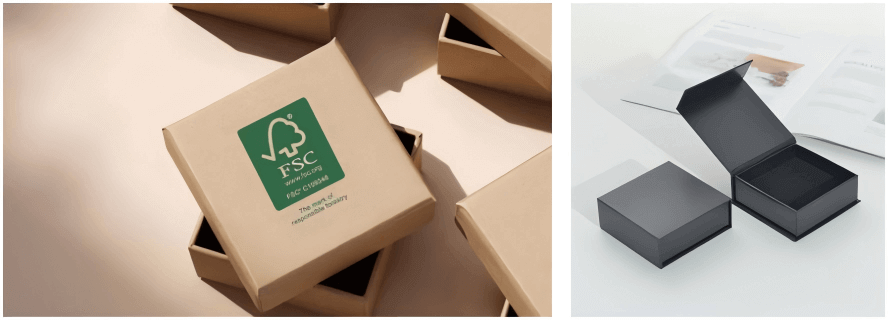
Your packaging should mirror the core values of your brand. If your brand is centered around sustainability, opt for eco-friendly materials such as recycled cardboard, biodegradable plastics, or organic cotton pouches. Brands like Pandora have made significant strides in this area, using FSC-certified cardboard for their reusable gift boxes. This not only reduces environmental impact but also signals to consumers that your brand is socially and environmentally responsible.
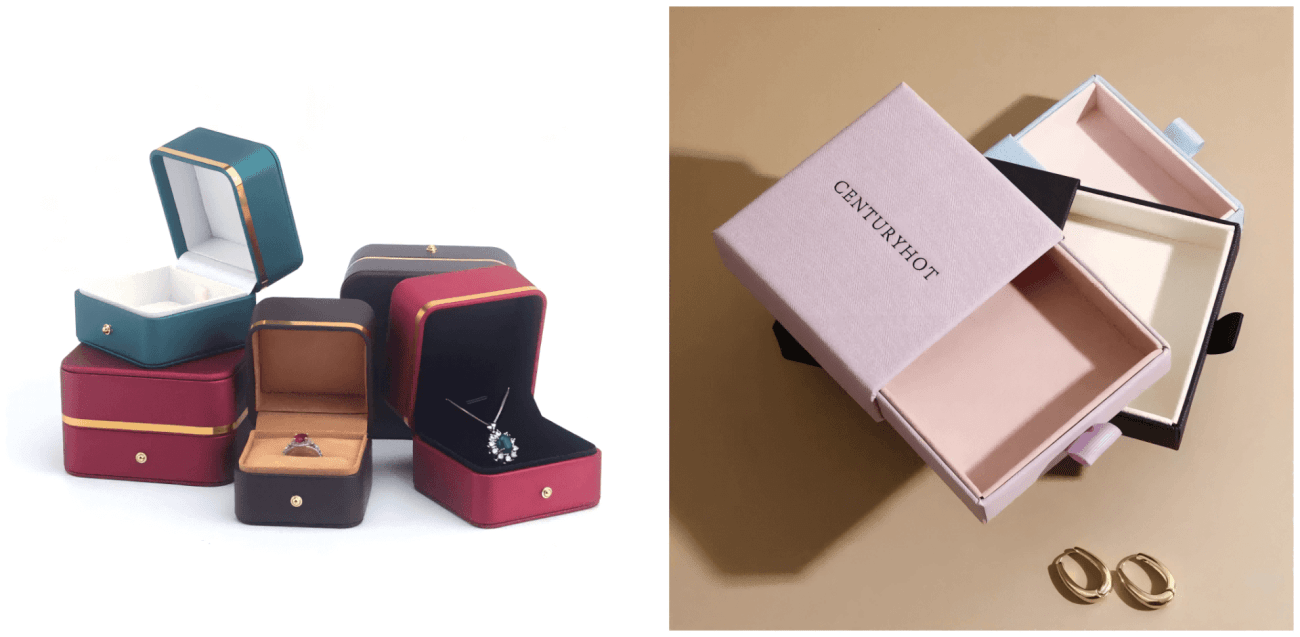
For luxury brands, high-quality materials like leather, velvet, or silk are more appropriate. A Cartier red leather case exudes sophistication and luxury, aligning perfectly with the brand’s heritage of crafting jewelry for the elite. The choice of material, color, and finish should all work together to convey the brand’s essence.
1.2 Match Brand Aesthetic
The visual elements of your packaging, including color, typography, and graphics, should be in harmony with your brand’s overall aesthetic. If your brand has a modern, minimalist aesthetic, a simple, clean – lined box with a sleek finish and minimal branding may be ideal. Brands like Mejuri use matte – black boxes with subtle gold lettering, which reflects their contemporary and understated luxury style.
On the other hand, if your brand has a more traditional or ornate aesthetic, consider using embossed patterns, metallic accents, or elaborate illustrations on your packaging. For example, a brand that specializes in Victorian – inspired jewelry might use a box with intricate filigree patterns and a rich, jewel – toned color scheme.
2. Consider the Jewelry Itself
2.1 Protect the Product
The primary function of jewelry packaging is to protect the product. Different types of jewelry require different levels of protection. Delicate pieces with small gemstones or intricate metalwork may need a more padded and secure interior. Custom – cut EVA foam inserts can be designed to hold each piece in place, preventing movement and potential damage during transit or storage.
For larger or heavier pieces, such as statement necklaces or chunky bracelets, a sturdier box with reinforced corners may be necessary. Additionally, consider adding anti – tarnish materials for silver or other metals that are prone to oxidation. Some packaging options include built – in silica gel packets or anti – tarnish fabric linings.
2.2 Complement the Jewelry’s Style
The packaging should also complement the style of the jewelry. A bold, contemporary piece of jewelry might look best in a modern, geometric – shaped box, while a dainty, feminine necklace could be enhanced by a soft – colored, rounded – edge box. If your jewelry features unique materials or textures, such as rough – cut gemstones or hand – hammered metal, the packaging could incorporate similar elements. For instance, a box with a textured paper finish or a natural wood veneer could complement the earthy, artisanal feel of the jewelry.
3. Evaluate Packaging Options
3.1 Material Matters
- Paper and Cardboard: These are versatile and widely used materials. High – quality cardboard can be printed on and shaped into various box designs. It is relatively cost – effective and, if sourced from sustainable forests, can be an eco – friendly choice. Folding cartons are great for everyday jewelry, while rigid cardboard boxes offer more durability and a higher – end look for more valuable pieces.
- Wood: Wooden boxes convey a sense of luxury and craftsmanship. Walnut, cherry, or oak can be used to create elegant, timeless packaging. They can be left natural for a rustic look or stained and polished for a more refined appearance. However, wood can be heavier and more expensive than paper – based materials.
- Plastic: While traditional plastics have faced criticism for their environmental impact, there are now many eco – friendly plastic alternatives available, such as biodegradable or recycled plastics. Plastic can be molded into unique shapes and is lightweight and durable. Clear plastic or acrylic boxes are excellent for displaying jewelry, as they allow customers to see the product inside.
- Fabric: Pouches made of velvet, silk, or flannel are popular for jewelry packaging. They provide a soft, protective interior and add a touch of luxury. Velvet, in particular, is known for its plush feel and ability to enhance the appearance of jewelry by creating a rich backdrop.
3.2 Structure and Design
- Box Styles: There are numerous box styles to choose from, each with its own advantages. A hinged lid box is a classic choice, offering easy access to the jewelry. A drawer – style box can add an element of surprise and sophistication to the unboxing experience. Some boxes even have multiple compartments or layers, which can be useful for packaging sets of jewelry or additional accessories.
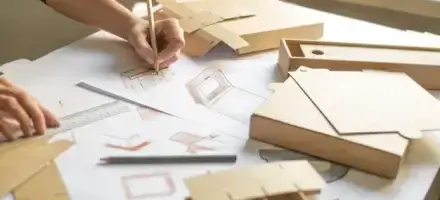
- Interior Design: The interior of the box is just as important as the exterior. It should be designed to hold the jewelry securely and showcase it to its best advantage. Custom – made foam inserts, fabric – lined trays, and adjustable holders can all contribute to a professional and protective interior design. Consider adding small pockets or compartments for things like product certificates, cleaning cloths, or additional information cards.
- Closure Mechanisms: The way the box closes can also impact the overall user experience. Magnetic closures are popular for their smooth and secure operation. They provide a satisfying “click” when the box is closed and can be easily opened with one hand. Snap – on lids or ribbon ties are also options, each adding a different aesthetic and functional touch.
4. Factor in the Customer Experience
4.1 Create an Unboxing Experience
In today’s digital age, the unboxing experience has become a significant part of the customer journey. Consumers often share unboxing videos on social media, making it a powerful marketing opportunity for your brand. Design your packaging to be opened in a way that builds anticipation. This could involve multiple layers of packaging, each revealing a new element of the product or a personalized message.
For example, a high – end jewelry brand might have an outer box made of textured paper, which opens to reveal a velvet – lined inner box. Inside the inner box, the jewelry is nestled in a custom – cut foam insert, with a small envelope containing a handwritten note from the brand. The entire process should feel special and memorable.
4.2 Provide Practicality and Functionality
While aesthetics are important, the packaging should also be practical for the customer. Consider the ease of storage and portability. A box that can be easily stacked or folded away is more convenient for customers to store at home. If your customers are likely to travel with the jewelry, a compact, lightweight, and protective packaging option is ideal. Some brands offer travel – friendly jewelry cases that are designed to fit easily into handbags or luggage.
5. Consider Cost and Sustainability
5.1 Balance Cost and Quality
Cost is an important consideration when choosing jewelry packaging. While you want to create a high – quality packaging solution, you also need to ensure that it is cost – effective for your business. Look for ways to optimize costs without sacrificing quality. This could involve choosing materials that are more affordable but still meet your brand’s standards, or negotiating better prices with your packaging suppliers based on larger order quantities.
However, be cautious about cutting corners too much, as low – quality packaging can reflect poorly on your brand and the value of your jewelry. Striking the right balance between cost and quality is key to long – term success.
5.2 Embrace Sustainability
As mentioned earlier, sustainability is becoming increasingly important to consumers. Opting for sustainable packaging not only benefits the environment but can also enhance your brand’s reputation. Look for packaging materials that are recyclable, biodegradable, or made from recycled content. Many consumers are willing to pay a premium for products that come in sustainable packaging, so it can be a win – win situation for your business and the planet.
In addition to the materials, consider the overall design of the packaging. Minimizing excess packaging and using efficient production methods can also contribute to a more sustainable packaging solution.
At Syonpack, we excel not only in jewelry packaging and display but also in crafting custom packaging for high-end brands. Our customer-centric approach ensures complete satisfaction, prioritizing your needs and expectations at every step. Our dedicated customer service team provides tailored packaging services, listens to your feedback, and ensures we consistently exceed your expectations.Click here to contact us now!