

Points that Need Attention in the Future Development of Jewelry Packaging Industry

1. Sustainability: An Urgent Imperative
1.1 Material Selection and Environmental Impact
As environmental awareness continues to grow exponentially among consumers, the jewelry packaging industry must prioritize sustainable material choices. Traditional non – biodegradable plastics, which have long been a staple in packaging, are now under intense scrutiny due to their long – term negative impact on the environment. Brands are increasingly turning to alternatives such as recycled paper, cardboard, and biodegradable polymers. For example, recycled cardboard made from post – consumer waste is not only a renewable resource but also reduces the energy consumption and pollution associated with virgin paper production. Biodegradable materials like polylactic acid (PLA), derived from renewable sources such as corn starch or sugarcane, break down naturally over time, minimizing the burden on landfills and oceans.
Moreover, the industry needs to consider the entire life cycle of packaging materials. From the extraction of raw materials to the disposal of the packaging, every step should be optimized for environmental sustainability. This includes reducing water and energy consumption during manufacturing, using renewable energy sources in production facilities, and implementing efficient waste management systems. Brands should also explore the use of materials with a low carbon footprint, such as bamboo fiber, which grows rapidly and requires fewer resources to cultivate compared to traditional wood – based materials.
1.2 Reducing Packaging Waste
The concept of “reduce, reuse, recycle” should be at the forefront of jewelry packaging design. Minimizing the amount of packaging used without compromising on product protection or presentation is crucial. Brands can achieve this by adopting minimalist packaging designs that eliminate unnecessary layers and components. For instance, some luxury jewelry brands have introduced slim – line boxes that use fewer materials while still maintaining an air of elegance and sophistication. Additionally, reusable packaging options are becoming increasingly popular. Jewelry boxes that can be repurposed as storage containers for small items, or pouches that can be used for other purposes after the jewelry is removed, encourage consumers to hold onto the packaging rather than discard it immediately. This not only reduces waste but also extends the brand’s presence in the consumer’s life, acting as a constant reminder of the brand’s values.

2. Technological Advancements: Transforming the Packaging Landscape
2.1 Smart Packaging Solutions
Technology is set to revolutionize the jewelry packaging industry, and smart packaging is at the forefront of this transformation. Radio – Frequency Identification (RFID) technology is being increasingly integrated into jewelry packaging. RFID tags can be embedded in the packaging, allowing for real – time tracking of the product’s location throughout the supply chain. This not only improves inventory management for retailers but also provides consumers with the ability to verify the authenticity of their jewelry purchases. For high – value items such as diamond rings or limited – edition designer pieces, the ability to confirm authenticity is of utmost importance, and RFID technology offers a reliable and efficient solution.
Augmented Reality (AR) and Virtual Reality (VR) are also making inroads into jewelry packaging. AR – enabled packaging, when scanned with a smartphone, can present consumers with a virtual display of the jewelry inside. This can include 360 – degree views, detailed information about the gemstones and metals used, and even suggestions on how to style the jewelry. VR takes this a step further, allowing consumers to virtually try on the jewelry, creating a highly immersive and engaging shopping experience. These technologies not only enhance the consumer’s interaction with the product but also provide brands with a unique marketing opportunity to showcase their products in a more innovative and memorable way.
2.2 Advanced Printing and Manufacturing Techniques
Advanced printing techniques are playing a significant role in enhancing the visual appeal and tactile experience of jewelry packaging. High – resolution printing, metallic inks, and embossing are being used to create more visually stunning and tactilely engaging packaging. For example, a jewelry box printed with intricate patterns using metallic inks can add a touch of luxury and sophistication, enhancing the perceived value of the product inside. Embossing techniques can create raised textures that add depth and dimension to the packaging, making it more appealing to the touch.
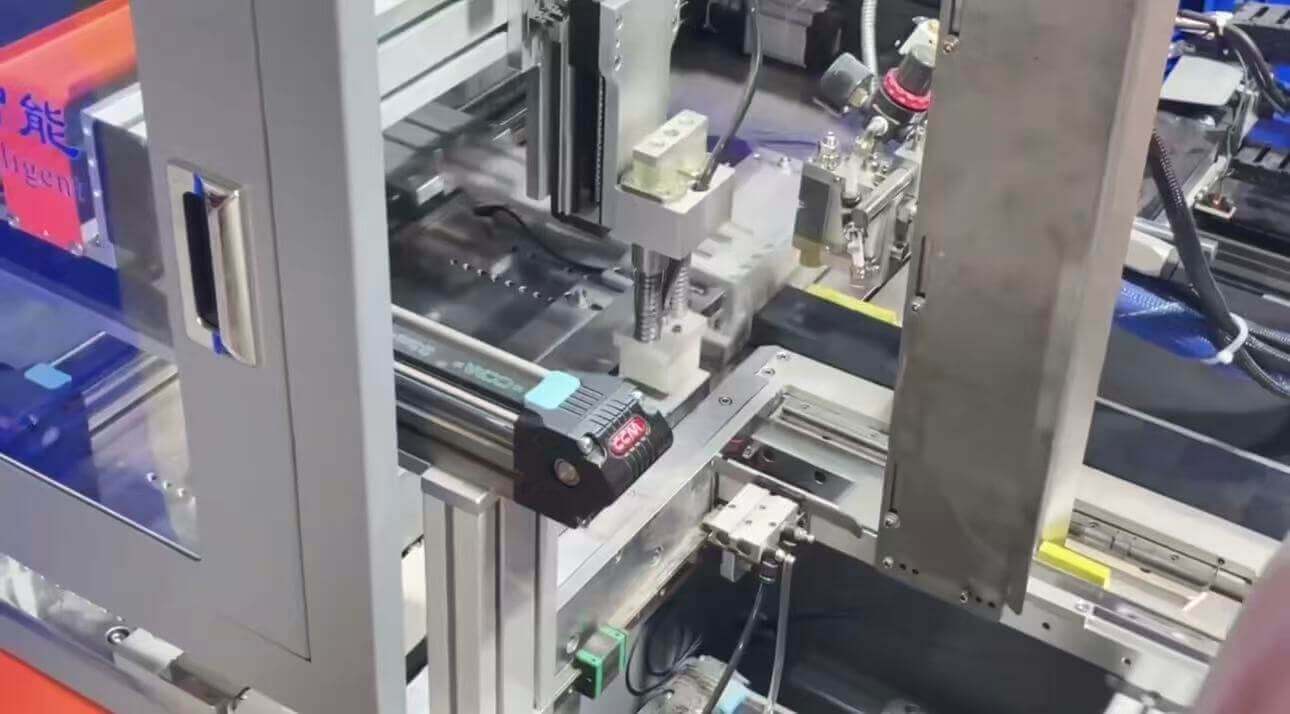
In addition, manufacturing techniques such as 3D printing are opening up new possibilities for jewelry packaging design. 3D printing allows for the creation of highly customized and intricate packaging designs that are difficult to achieve with traditional manufacturing methods. Brands can use 3D printing to create unique shapes, personalized inserts, and even packaging with built – in functionality, such as hidden compartments or display stands. This level of customization not only caters to the growing demand for personalized products but also allows brands to differentiate themselves in a highly competitive market.
3. Consumer – Centric Design: Meeting Diverse Demands
3.1 Personalization and Customization
In a market saturated with choices, personalization has become a key differentiator for jewelry brands, and packaging plays a vital role in this. Consumers today are seeking unique, one – of – a – kind experiences, and personalized packaging allows them to feel more connected to the brand and the product. Jewelry packaging can be personalized in various ways. Custom – printed boxes with the customer’s name, a special message, or a personalized design are becoming increasingly popular. For example, for an engagement ring, the packaging could include the couple’s initials or a date that holds significance to them. Brands are also offering a range of customization options for the interior of the packaging, such as choosing the color of the velvet lining or the type of inserts used to hold the jewelry.
Moreover, personalization can be tailored to different customer segments. For younger consumers, more trendy and interactive packaging options might be offered, while for high – end luxury customers, more sophisticated and exclusive personalized packaging solutions can be provided. This level of customization not only meets the diverse needs of consumers but also creates a sense of exclusivity and ownership, enhancing the overall customer experience.
3.2 Meeting Practical and Aesthetic Needs
While aesthetics are important, the packaging should also be practical for the customer. Consideration must be given to the ease of storage and portability. A box that can be easily stacked or folded away is more convenient for customers to store at home. If the jewelry is likely to be worn or transported frequently, a compact, lightweight, and protective packaging option is ideal. Some brands offer travel – friendly jewelry cases that are designed to fit easily into handbags or luggage, ensuring that the jewelry remains protected during transit.
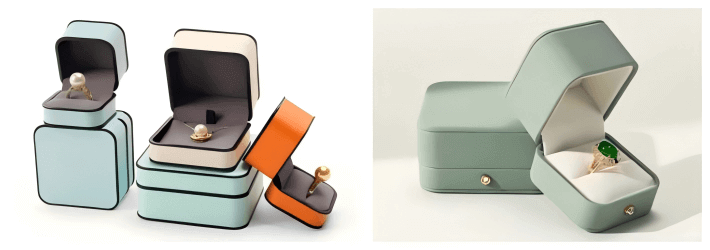
At the same time, the packaging should complement the style and quality of the jewelry inside. The design, color, and materials of the packaging should be carefully chosen to enhance the visual appeal of the jewelry. For example, a bold, contemporary piece of jewelry might look best in a modern, geometric – shaped box with a sleek finish, while a dainty, feminine necklace could be enhanced by a soft – colored, rounded – edge box with a delicate fabric lining. The packaging should also be able to showcase the jewelry to its best advantage, with features such as clear windows or well – designed display compartments.
4. Regulatory Compliance: Navigating a Complex Landscape
4.1 Environmental Regulations
As the focus on environmental sustainability grows, governments around the world are implementing stricter regulations regarding packaging materials and waste management. The jewelry packaging industry must stay abreast of these regulations and ensure compliance. This includes adhering to standards for the use of recycled and biodegradable materials, as well as regulations regarding the disposal of packaging waste. For example, some countries have introduced taxes or bans on non – biodegradable plastics, while others require a certain percentage of recycled content in packaging materials. Brands that fail to comply with these regulations may face fines, reputational damage, and even legal action.
4.2 Product Safety and Authentication Regulations
In addition to environmental regulations, the jewelry packaging industry must also comply with regulations related to product safety and authentication. Jewelry packaging should not pose any risk to the health and safety of consumers. This means using non – toxic materials, especially for components that may come into direct contact with the skin. For example, the inks used for printing on the packaging should be free from harmful chemicals.
Furthermore, with the increasing problem of counterfeiting in the jewelry industry, regulations regarding product authentication are becoming more stringent. Packaging can play a crucial role in verifying the authenticity of jewelry. Brands may be required to include features such as holographic stickers, unique serial numbers, or QR codes on the packaging that can be used to authenticate the product. This not only protects consumers from purchasing counterfeit products but also helps to maintain the integrity and reputation of the brand.
We understand that packaging is crucial to your jewelry business. Whether you’re looking for eco-friendly packaging, a luxurious finish, or custom jewelry packaging that matches your brand’s personality, we’re happy to design the perfect solution for you. Create packaging as unique and beautiful as your jewelry! Click here contact us today!