

The Impact of Different Printing Processes on Jewelry Packaging
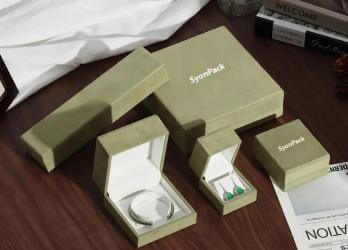
In the jewelry industry, packaging serves as a silent brand ambassador—its visual appeal, texture, and durability directly shape consumer perceptions of luxury, craftsmanship, and brand identity. Among the many elements that define packaging quality, the printing process stands out as a critical factor: it determines how logos, patterns, and decorative details come to life, influencing everything from shelf presence to unboxing emotion. For jewelry brands and packaging designers, understanding how different printing processes impact packaging performance, aesthetics, and cost is essential to creating solutions that align with product positioning (e.g., luxury, sustainable, mid-tier) and consumer expectations.
1. Digital Printing: Flexibility and Speed for Customized, Small-Batch Packaging
Digital printing (e.g., inkjet, laser printing) has revolutionized jewelry packaging by enabling on-demand, high-resolution printing without the need for costly setup tools (e.g., printing plates). Its impact is most pronounced in scenarios where customization, speed, or small production runs are prioritized.
2. Screen Printing (Silk Screening): Durability and Texture for Bold, High-Impact Designs
Screen printing uses a mesh stencil (screen) to push ink onto packaging surfaces, creating thick, opaque layers of color. Its impact is most notable for packaging that requires durability, bold colors, or a tactile finish—common in mid-tier and artisanal jewelry brands.
3. Hot Stamping (Foil Printing): Luxury and Exclusivity for High-End Jewelry Packaging
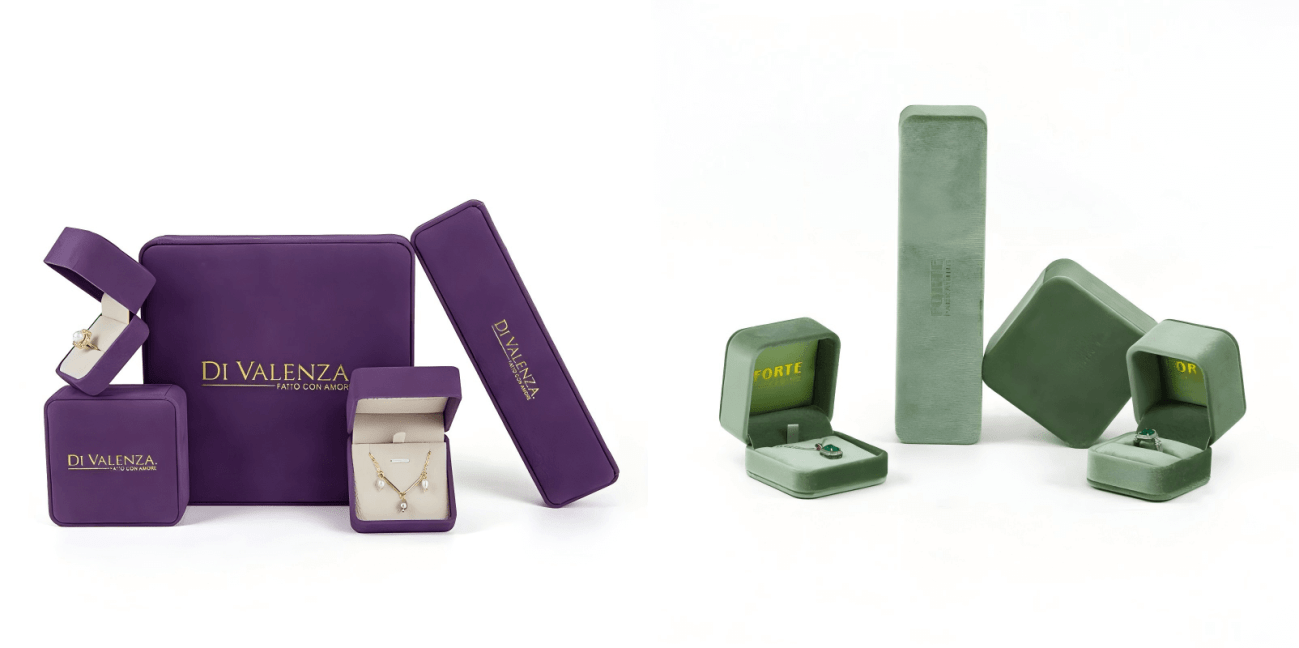
Hot stamping (or foil stamping) uses heat and pressure to transfer a thin layer of metallic or colored foil onto packaging surfaces. It is the gold standard for luxury jewelry packaging, as its reflective, premium finish directly communicates exclusivity and value.

4. UV Printing: Versatility and Durability for Glossy, High-Contrast Designs
UV printing uses ultraviolet light to cure ink instantly on packaging surfaces, creating a glossy, durable finish. Its impact is most valuable for brands seeking a balance of bold color, durability, and material versatility—common in contemporary jewelry packaging.
5. Offset Printing: Consistency and Quality for Large-Batch, High-End Packaging
Offset printing (lithography) uses metal plates to transfer ink onto a rubber blanket, which then presses the ink onto packaging materials. It is the industry standard for large-batch, high-quality packaging—common in legacy luxury brands and mass-market jewelry retailers.
6. Choosing the Right Printing Process: Aligning with Brand Goals
The impact of each printing process on jewelry packaging ultimately depends on a brand’s priorities—whether that’s luxury, sustainability, customization, or cost. Below is a framework to guide selection:
| Brand Goal | Ideal Printing Process | Rationale |
| Luxury/exclusivity | Hot stamping + Offset | Hot stamping adds metallic luxury; offset ensures consistent color for large runs. |
| Sustainability/small batches | Digital printing | Low waste, on-demand production, and water-based inks align with eco-values. |
| Durability/reusability | Screen printing + UV printing | Thick ink (screen) and UV-cured finish resist wear for travel or storage. |
| Customization/variable data | Digital printing | Variable data printing enables unique details (initials, dates) without extra cost. |
| Mass-market affordability | Offset printing | Low per-unit costs and high speed suit large-scale production. |
Conclusion
Printing processes are not just technical choices—they are strategic tools that shape how consumers perceive jewelry packaging and the brands behind it. Hot stamping elevates packaging to luxury status, digital printing enables personalized connections, screen printing adds tactile depth, UV printing ensures durability, and offset printing delivers consistency at scale. For jewelry brands, the key is to align the printing process with their product positioning, target audience, and operational needs: a boutique brand selling custom engagement rings will benefit from digital printing’s customization, while a legacy luxury house will rely on hot stamping and offset printing to maintain its prestige.
As consumer expectations for quality, sustainability, and personalization continue to grow, printing processes will evolve—with innovations like eco-friendly foils, 3D UV printing, and recycled ink options expanding the possibilities. By understanding how each process impacts packaging, brands can create solutions that not only protect their jewelry but also tell their unique story—turning a simple box into a memorable part of the consumer experience.
We understand that packaging is crucial to your jewelry business. Whether you’re looking for eco-friendly packaging, a luxurious finish, or custom jewelry packaging that matches your brand’s personality, we’re happy to design the perfect solution for you. Create packaging as unique and beautiful as your jewelry! Click here contact us today!