

Which Packaging Material is the Cheapest and Which is the Most Expensive? A Deep Dive in Jewelry Packaging Industry
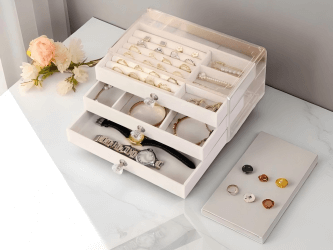
1. Low-Cost Materials (Cent to Few Dollars)
Paper & Cardboard
- Characteristics: Lightweight, printable (embossing/foil stamping), good for mass-market use (costume jewelry, small earrings). Thicker corrugated cardboard adds structure.
- Cost: Basic boxes cost a few cents/unit (large batches). Price rises with specialty paper or complex die-cuts, but remains cost-effective.
Plastic
- Characteristics: Versatile (bags, blister packs, molded boxes), durable, moisture-resistant. Clear PET shows jewelry well.
- Cost: Simple plastic bags cost fractions of a cent/unit (large batches). High-performance plastics or custom features (printing/locks) increase cost.
Foam (EPS & EPE)
- Characteristics: EPS (rigid, cheap cushioning for transit); EPE (softer, slightly better aesthetics/moisture resistance).
- Cost: EPS is the cheapest foam (very low/unit); EPE is slightly pricier but still cost-effective.
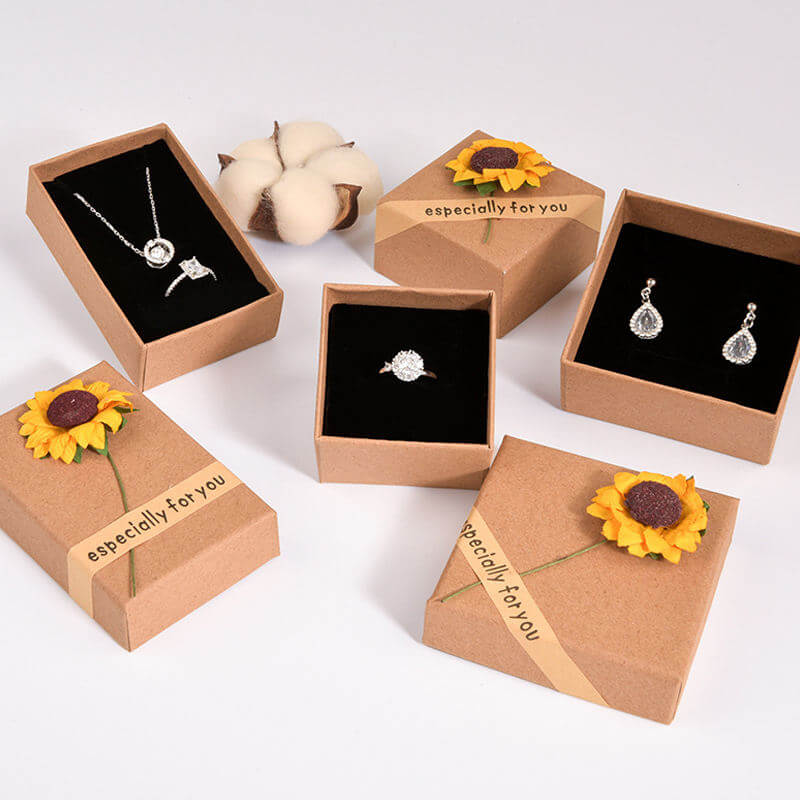
2. Mid-Cost Materials (Few to Tens of Dollars)
Wood
- Characteristics: Natural, customizable (carving/engraving), warm luxury for mid-to-high-end jewelry. Pine (low-grade) to mahogany/exotic woods (high-grade).
- Cost: Basic pine boxes cost a few dollars; elaborate designs (hand-carving, inlays) or exotic woods rise to tens of dollars.
Fabric-Lined Cardboard
- Characteristics: Cardboard structure + fabric lining (felt/satin/velvet) for softness/luxury, protects jewelry from scratches.
- Cost: Higher than plain cardboard (a few dollars/unit). Price rises with high-quality fabric (velvet vs. felt) or complex lining processes.
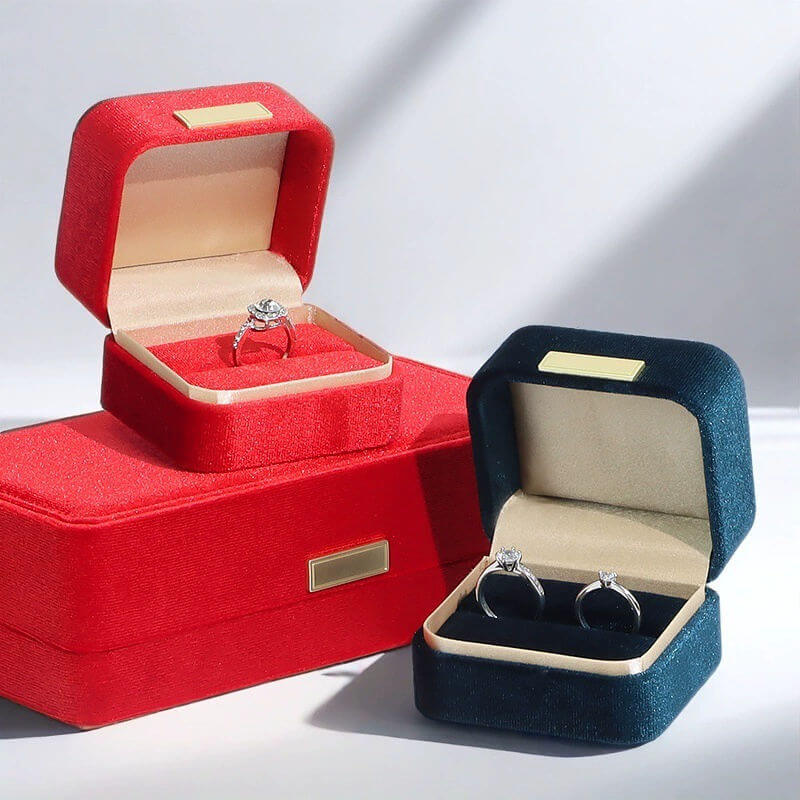
3. High-Cost Materials (Tens to Thousands of Dollars)
Metal
- Characteristics: Premium (aluminum/stainless steel/brass), durable, customizable (engraving/plating). Ideal for high-end brands.
- Cost: Simple metal boxes cost tens of dollars; elaborate designs (gold/silver plating, intricate engravings) reach hundreds of dollars.
Leather
- Characteristics: Luxurious, durable (full-grain > top-grain > genuine), customizable (embossing/stitching). Symbol of high-end identity.
- Cost: Basic leather boxes cost dozens of dollars; top-tier (full-grain, hand-crafted, exotic leather) reach hundreds/thousands of dollars.
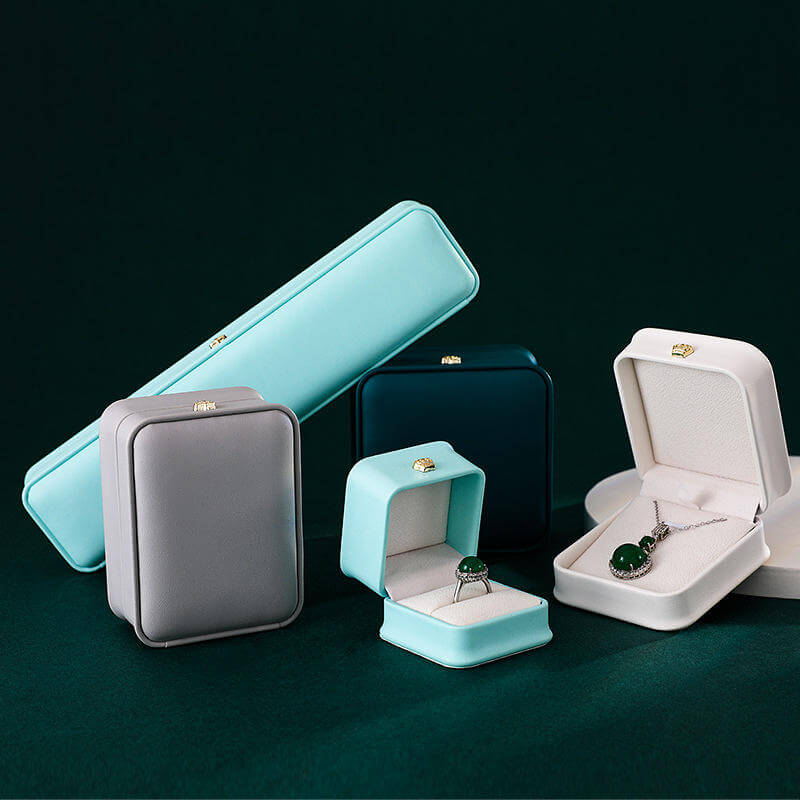
4. Key Cost Drivers
- Material Availability: Scarce materials (exotic wood, rare leather) cost more; abundant ones (paper, plastic) are cheaper.
- Manufacturing Complexity: Customization (engraving, die-cuts) or labor-intensive processes (hand-stitching, metal plating) raise costs.
- Quality/Grade: Higher grades (full-grain leather, hardwoods, high-performance plastics) cost more than low-grade alternatives.
Conclusion
- Cheapest: Paper, cardboard, basic plastic, and EPS foam (cents to few dollars/unit), suited for mass-market jewelry.
- Most Expensive: Exotic leather, high-grade metal (with plating/engravings), or custom wood (hand-crafted) (hundreds to thousands of dollars), for luxury brands.
- Brand choice depends on target market, jewelry type, and desired luxury image—balancing cost with protection and aesthetics.
We specialize in jewelry packaging solutions: eco-friendly, luxurious, and fully customizable. Click here to inquire and quickly create exquisite packaging that matches your jewelry!