

How to Extend the Service Life of Jewelry Boxes

A jewelry box is more than a storage vessel—it’s a protector of precious pieces, a keeper of memories, and often a reflection of personal style or brand identity. Whether it’s a budget-friendly cardboard box for costume jewelry or a luxury leather heirloom for engagement rings, extending its service life not only reduces waste but also preserves its functional and sentimental value. The key to longevity lies in understanding the unique needs of the box’s material, adopting proactive care habits, and addressing minor issues before they escalate.
1. Adopt Proper Daily Use Habits: Prevent Unnecessary Wear
Daily handling is one of the biggest contributors to jewelry box wear—small, intentional habits can significantly reduce damage and extend life.
A. Handle with Care to Avoid Physical Damage
- Avoid rough handling: Open and close lids gently, especially for hinge-based boxes (e.g., wooden or leather lid boxes). Slamming lids or forcing closures strains hinges and weakens seams, leading to premature breakage. For example, a leather box with a brass hinge may develop loose screws if the lid is slammed repeatedly—over time, this can cause the hinge to detach entirely.
- Hold by sturdy areas: Grip boxes by their base or reinforced edges, not by fragile parts like lid corners or decorative elements. For paper/cardboard boxes, holding the lid by its edge can cause creasing or tearing; instead, support the base with one hand while lifting the lid with the other.
- Limit overloading: Never stuff jewelry boxes beyond their capacity. Overpacking (e.g., forcing multiple necklaces into a small compartment) stretches linings, warps box structures, and scratches both the box and jewelry. Follow the box’s intended use—for example, a ring box with 3 slots should not hold 5 rings.
B. Keep Jewelry Clean Before Storage
Dirt, oils, and chemicals from jewelry can transfer to the box’s lining, causing stains, discoloration, or even material breakdown:
- Wipe jewelry before storing: Use a soft cloth to clean jewelry (e.g., remove perfume residue from a necklace chain, polish tarnish from a silver ring) before placing it in the box. Oils from skin or hair products can seep into velvet or leather linings, leaving permanent stains.
- Avoid storing wet jewelry: Never put damp jewelry (e.g., from handwashing or sweat) into the box. Moisture can damage linings (e.g., cause mold in paper/cardboard, stiffen leather) and even lead to rust on metal hardware (e.g., hinges, magnetic closures). Allow jewelry to dry completely before storage.
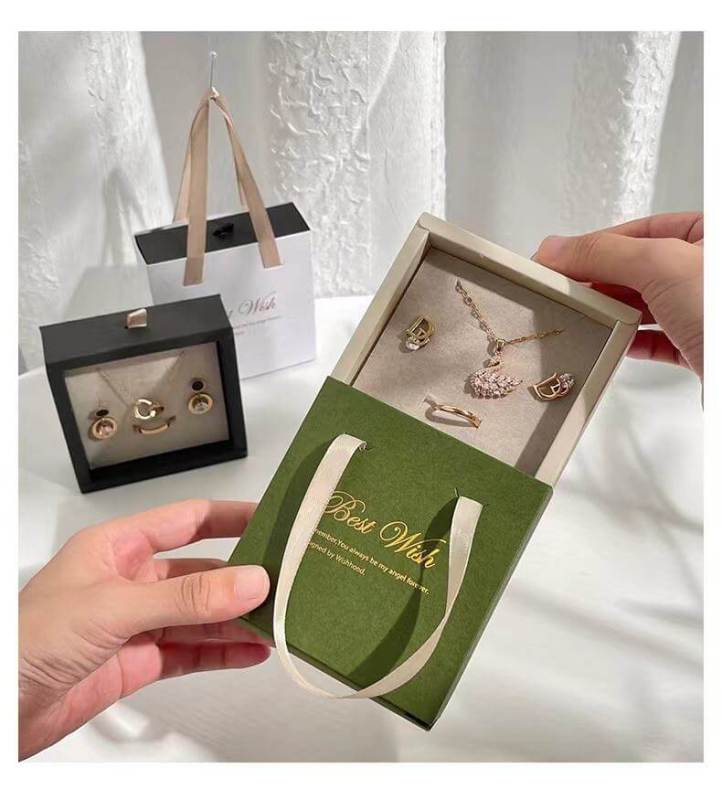
2. Control Storage Environment: Shield from Environmental Damage
Environmental factors—temperature, humidity, sunlight, and dust—are major threats to jewelry box longevity. Controlling these conditions protects the box’s material and preserves its appearance.
A. Maintain Ideal Temperature and Humidity
Different materials have specific environmental needs, but a general rule is to store boxes in a cool, dry area:
- Temperature: Aim for 60–75°F (15–24°C). Extreme heat (e.g., near radiators, in sunny windowsills) can warp wood, melt plastic components (e.g., in light-up boxes), or cause leather to crack. Extreme cold (e.g., unheated garages, refrigerated safes) can make cardboard brittle and leather stiff.
- Humidity: Keep humidity levels between 40–50%. High humidity (>60%) leads to mold growth (in paper/cardboard or velvet linings), metal rust (on hardware), and wood warping. Low humidity (<30%) dries out leather (causing cracking) and fades fabric linings.
- Solutions for high humidity: Use silica gel packets inside the box (replace every 3–6 months) to absorb moisture. For larger storage areas (e.g., a jewelry cabinet), use a small dehumidifier.
- Solutions for low humidity: Place a small bowl of water near the storage area (avoid direct contact with boxes) or use a room humidifier to add moisture.
B. Protect from Sunlight and Dust
- Sunlight: UV rays fade colors (e.g., turning red leather pink, bleaching printed cardboard) and break down materials (e.g., weakening paper fibers, making plastic brittle). Store boxes away from direct sunlight—use closed cabinets, drawers, or opaque dust bags (avoid plastic bags, which trap moisture).
- Dust: Dust accumulates on surfaces and embeds in linings, causing dullness and scratches. Dust the box weekly with a soft, dry cloth (microfiber for delicate materials like leather or velvet). For hard-to-reach areas (e.g., hinge crevices, compartment corners), use a soft-bristled brush (e.g., a makeup brush) to gently remove dust.
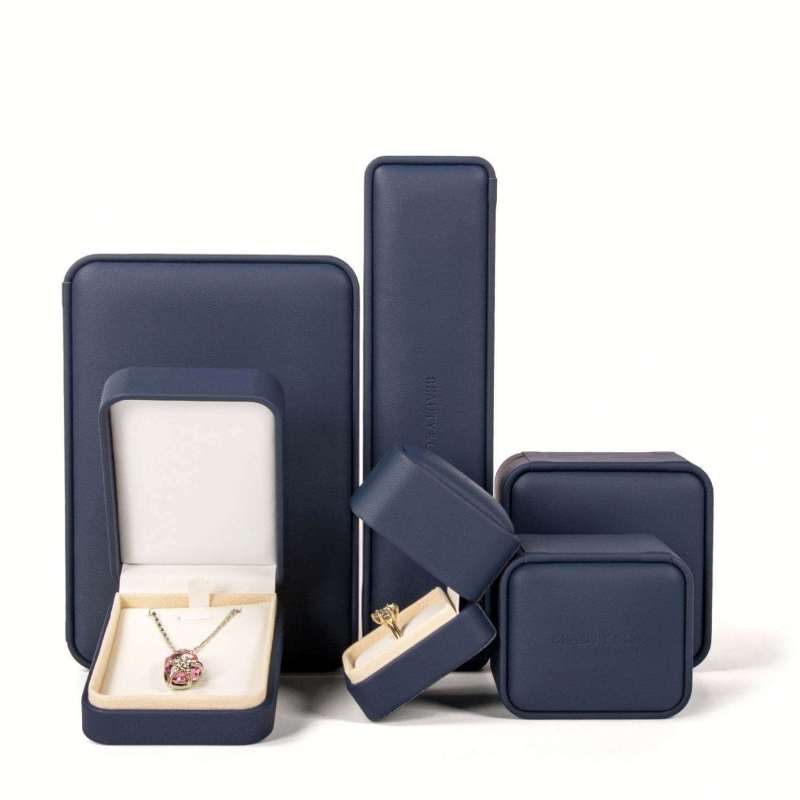
3. Material-Specific Cleaning and Maintenance: Preserve Material Integrity
Each jewelry box material requires unique care to maintain its durability and appearance. Below are tailored strategies for the most common materials.
A. Paper/Cardboard Boxes: Prevent Wear and Tear
Paper/cardboard is the most vulnerable to damage—focus on protecting it from moisture and physical stress:
- Cleaning: Wipe surfaces with a dry microfiber cloth. For light stains (e.g., pencil marks), use a slightly damp cloth (dab, don’t rub) and dry immediately. Avoid harsh cleaners (e.g., soap, alcohol) as they can dissolve paper fibers or fade prints.
- Reinforcement: Strengthen weak areas (e.g., torn seams, creased lids) with clear tape (for budget boxes) or glue (for sturdier cardboard). For linings that are peeling, reattach them with a small amount of craft glue (avoid excess glue that seeps through).
- Avoid moisture exposure: Never place cardboard boxes near sinks, showers, or other moisture sources. If the box gets wet, blot excess moisture with a dry cloth and air-dry it flat (avoid direct heat) to prevent warping.
B. Wooden Boxes: Protect Grain and Finish
Wooden boxes require regular care to maintain their grain and protective finish:
- Cleaning: Dust weekly with a dry cloth. For deeper cleaning (every 1–2 months), wipe with a slightly damp cloth (use distilled water to avoid mineral deposits) and dry immediately.
- Finishing maintenance: Every 6–12 months, apply a wood conditioner or furniture wax (avoid silicone-based products) to replenish the finish and prevent drying. Use a soft cloth to apply a thin layer, let it absorb for 15–20 minutes, then buff to a shine. This keeps the wood hydrated and resistant to scratches.
- Scratch repair: For minor scratches, use a wood touch-up pen (matching the box’s stain color) to fill the mark. For deeper scratches, apply a small amount of wood filler, sand gently once dry, and touch up with stain.
C. Leather Boxes: Nourish and Protect
Leather ages beautifully with proper care—focus on keeping it hydrated and protected:
- Cleaning: Dust weekly with a dry cloth. For stains (e.g., oil, ink), address them immediately:
- Oil stains: Blot with a dry cloth, then sprinkle talcum powder (for light leather) or cornstarch (for dark leather) and let sit overnight. Brush away powder and repeat if needed.
- Ink stains: For colorfast leather, dab with a cotton swab dipped in isopropyl alcohol (test on an inconspicuous area first). Avoid rubbing, as this spreads the ink.
- Conditioning: Every 3–6 months, apply a leather conditioner (beeswax-based for full-grain leather, water-based for genuine leather) to keep it soft and prevent cracking. Apply a small amount with a cloth, rub in circular motions, and buff excess after 20 minutes.
- Protection: For everyday use, spray the box with a leather protector (waterproofing spray) to repel spills and stains. Avoid contact with harsh chemicals (e.g., perfume, hairspray) as they can discolor or dry out leather.
D. Metal Boxes (e.g., Aluminum, Stainless Steel): Prevent Tarnish and Scratches
Metal boxes are durable but prone to tarnish and scratches:
- Cleaning: Wipe with a dry cloth weekly. For tarnish (common on brass or uncoated metal), use a metal polish (e.g., Brasso) and a soft cloth to buff the surface. Avoid abrasive cleaners (e.g., steel wool) as they scratch the metal.
- Protection: After cleaning, apply a thin layer of clear nail polish or metal sealant to prevent future tarnish. For stainless steel boxes, avoid contact with saltwater or acidic substances (e.g., lemon juice) as they can cause pitting.

4. Address Minor Repairs Promptly: Stop Damage from Escalating
Small issues (e.g., loose hinges, peeling linings) can quickly become major problems if ignored. Addressing them early extends the box’s life and avoids costly replacements.
A. Common Repairs for All Materials
- Loose hardware: Tighten loose screws (e.g., on hinges, magnetic closures) with a small screwdriver. If screws are stripped, replace them with slightly longer screws of the same size (ensure they don’t pierce through the box).
- Peeling linings: Reattach linings with a small amount of glue (craft glue for paper/cardboard, leather glue for leather boxes). For velvet or silk linings, use a needle and thread to sew loose edges (avoid glue that may seep through and stain the fabric).
- Broken closures: For magnetic closures that no longer stick, replace the magnet (available at craft stores). For snap closures that are loose, bend the metal tab slightly to increase tension.
B. Material-Specific Repairs
- Paper/Cardboard: For torn seams, use clear packing tape (reinforce both sides for strength). For crushed corners, gently reshape the cardboard and apply tape to hold the shape.
- Wood: For loose joints (e.g., a separated lid), apply wood glue to the joint, clamp the pieces together, and let dry for 24 hours. For chipped wood, fill the chip with wood filler, sand smooth, and touch up with stain.
- Leather: For small tears, use leather repair tape (match the color) or a leather patch (glued to the inside of the box). For cracked leather, apply a leather repair balm to fill the crack and condition the area.
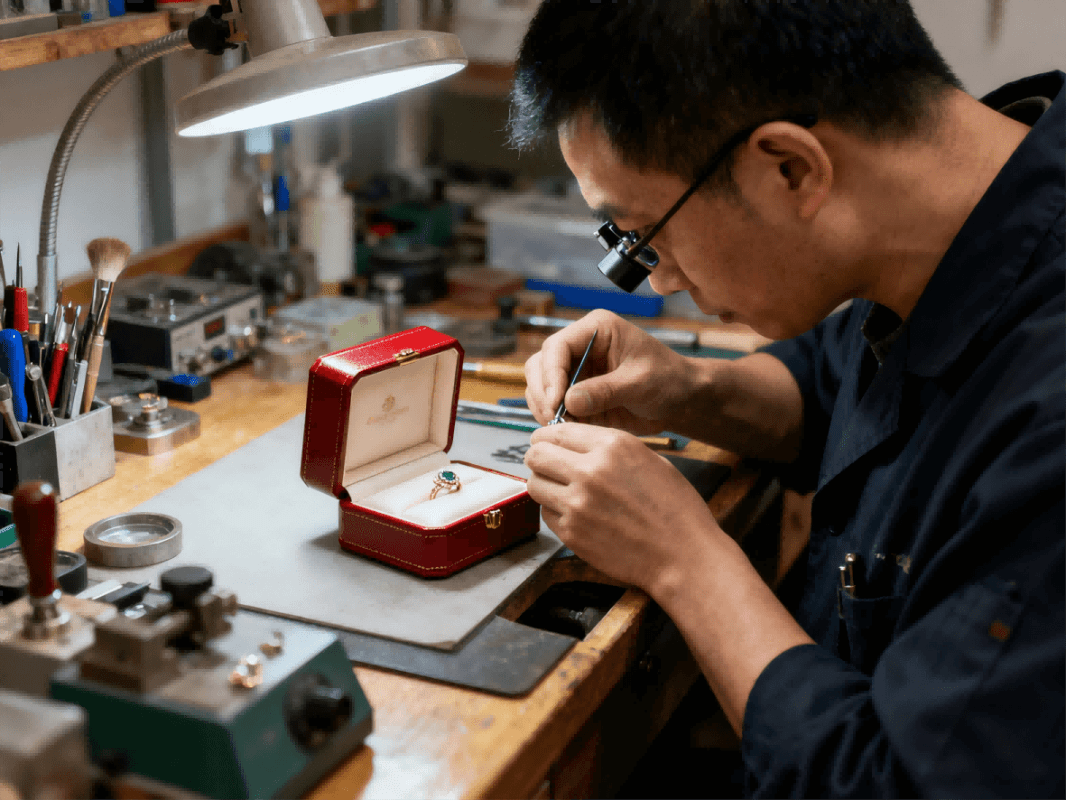
5. Avoid Common Mistakes: Steer Clear of Damaging Practices
Even well-intentioned care can harm jewelry boxes if done incorrectly. Avoid these pitfalls:
- Using harsh chemicals: Bleach, ammonia, alcohol, or household cleaners damage most materials—they dissolve paper, discolor leather, and strip wood finishes. Stick to material-specific cleaners (e.g., leather conditioner, wood wax).
- Over-cleaning: Frequent cleaning (e.g., wiping leather daily with a damp cloth) dries out materials. Follow the recommended cleaning frequency for each material.
- Storing in plastic bags: Plastic traps moisture, leading to mold or mildew. Use breathable cotton dust bags or tissue paper for storage.
- Ignoring minor damage: A small scratch or loose hinge may seem insignificant, but it can worsen over time (e.g., a scratch in wood can collect dirt and lead to further wear). Address issues as soon as they’re noticed.
Conclusion
Extending the service life of a jewelry box is a combination of proactive care, material-specific maintenance, and mindful use. By controlling the storage environment, adopting gentle handling habits, and addressing minor repairs promptly, you can keep even budget-friendly boxes functional for years—and turn luxury boxes into heirlooms that pass down through generations. For jewelry brands, educating customers on these practices not only enhances brand loyalty but also aligns with sustainability goals by reducing packaging waste. For individuals, caring for a jewelry box is a way to honor the memories and precious pieces it holds.
Syonpack’s custom engraved packaging boxes are an elegant and secure way to showcase your jewelry brand. They help build customer loyalty and make the unboxing experience even more special. Choosing the right material, size, and design can elevate your brand image and attract more customers.
To learn more about custom engraved boxes or inquire about our services, please contact us. We’re happy to create beautiful and practical packaging for your jewelry brand.
Adding high-quality engraved boxes to your brand makes it look more luxurious and leave a lasting impression on your customers. Whether you’re looking to enhance an existing product or launch a new one, Syonpack’s custom engraved boxes can help.
To learn more about our engraved box services or discuss your needs, please contact us. Our team is committed to providing top-notch quality and service. We want your jewelry brand to stand out in the market.