

Persist in Innovation: The Driving Force Behind Evolution in the Jewelry Packaging Industry
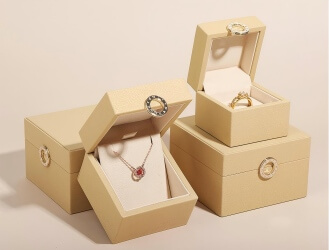
In the jewelry industry—where tradition, luxury, and emotional resonance have long been pillars of success—packaging has transcended its role as a mere protective vessel to become a critical touchpoint for brand differentiation. Today, as consumer expectations shift toward sustainability, personalization, and immersive experiences, persistent innovation has emerged as the defining factor that separates leading packaging solutions from generic, forgettable ones. For jewelry brands and packaging manufacturers alike, stagnation risks irrelevance; only by embracing continuous innovation—whether in materials, technology, design, or functionality—can they meet evolving demands, enhance brand loyalty, and capture new market opportunities.
1. Innovation in Materials: Redefining Sustainability and Luxury
The foundation of jewelry packaging innovation often begins with materials—where the industry is breaking free from traditional plastics, non-recyclable fabrics, and resource-intensive metals to embrace solutions that balance luxury with environmental responsibility. Persistent innovation in this space is not just a response to regulatory pressure; it is a way to align with consumer values and redefine what “premium” means in an eco-conscious era.
A. Beyond Recycled: Circular and Bio-Based Material Breakthroughs
Early sustainable packaging often relied on basic recycled materials (e.g., recycled cardboard), but today’s innovation pushes toward circularity—materials that can be reused, repurposed, or fully composted without losing quality. For example:
- Mushroom mycelium packaging: Brands like Ecovative Design have developed packaging inserts made from mycelium (the root structure of mushrooms), which are grown in controlled environments using agricultural waste (e.g., corn stalks). These inserts are not only biodegradable but also highly protective—ideal for delicate jewelry like pearl earrings or thin silver chains. Luxury brand Stella McCartney has used mycelium inserts in its jewelry packaging, proving that sustainability can coexist with high-end aesthetics.
- Seaweed-based films: Innovators like Notpla have created transparent, compostable films from seaweed that can replace plastic dust bags. These films dissolve in water within weeks, eliminating single-use plastic waste while still protecting jewelry from scratches. For e-commerce brands, this material solves a key pain point: plastic dust bags are often discarded immediately, but seaweed films feel innovative and aligned with eco-values.
- Upcycled luxury materials: Instead of relying on virgin leather or velvet, brands are upcycling waste from other industries. For instance, some packaging manufacturers now use reclaimed leather scraps from luxury fashion houses to create jewelry box exteriors, or repurpose silk offcuts from textile mills for linings. This not only reduces waste but also adds a unique “story” to the packaging—each box becomes a product of resourcefulness, enhancing its perceived value.
B. Smart Materials: Merging Functionality with Luxury
Innovation is also transforming materials into “active” components that enhance the jewelry’s protection or consumer experience:
- Anti-tarnish fabrics with embedded technology: Traditional anti-tarnish fabrics rely on chemical coatings that wear off over time. New innovations use microencapsulated silver ions woven into the fabric—these ions release slowly, providing long-term protection against silver tarnishing. Brands like Tiffany & Co. have begun testing these fabrics in their ring boxes, ensuring that jewelry remains pristine even during long-term storage.
- Temperature-sensitive inks: Some packaging now uses inks that change color when touched (e.g., from matte black to metallic gold) in response to body heat. This creates a playful, interactive element—when a consumer opens a jewelry box, the heat from their hands reveals a hidden logo or message. This material innovation turns a simple unboxing into a memorable moment, particularly appealing to younger consumers.
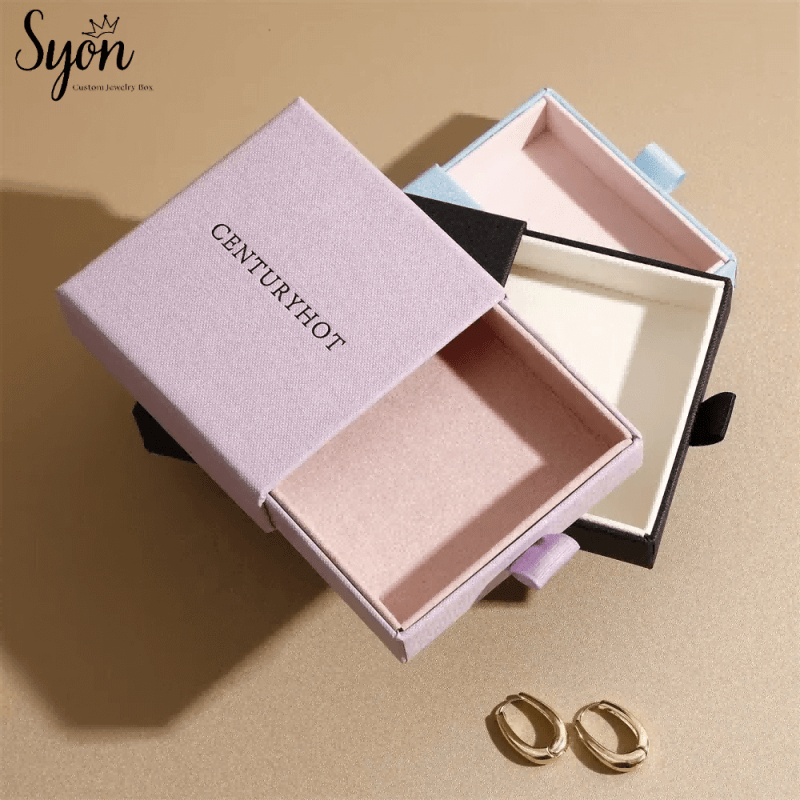
2. Design Innovation: Balancing Aesthetics with Functionality
In the jewelry industry, where aesthetics are paramount, design innovation is about more than just “looking nice”—it is about creating packaging that is both visually striking and functionally intuitive. Persistent innovation in design is challenging traditional norms, reimagining how packaging interacts with consumers and the jewelry it holds.
A. Modular and Multi-Functional Design
Gone are the days of single-use jewelry boxes—today’s consumers demand packaging that serves a purpose long after the jewelry is unboxed. Innovation in modular design meets this need:
- Convertible boxes: Some packaging transforms from a jewelry box into a storage solution—for example, a ring box that unfolds into a compartmentalized vanity tray, or a necklace box that doubles as a travel case with zippered pouches. Sustainable brand Pacharee’s “Convertible Bamboo Box” is a prime example: it opens to reveal a tray for earrings and rings, then closes flat for easy storage. This multi-functionality reduces waste and keeps the brand top-of-mind as consumers use the packaging daily.
- Modular inserts: Brands are now offering interchangeable inserts that allow consumers to reconfigure their boxes as their jewelry collection grows. For example, a base box might come with a ring insert, but consumers can purchase additional inserts for earrings or bracelets. This flexibility appeals to collectors and ensures the packaging remains useful for years.
B. Minimalism with a Twist: Subtle Innovation in Simplicity
While minimalism remains a popular trend, design innovation is adding subtle, unexpected elements to keep it fresh:
- Negative space as a design element: Instead of filling every inch of the box with logos or patterns, brands are using negative space to draw attention to the jewelry. For example, a minimalist white box with a small, debossed logo in the corner and a clear acrylic lid that frames the jewelry—this simplicity makes the jewelry the focal point, while the debossed logo adds a tactile detail.
- Dual-tone and texture contrasts: Innovations in material combinations are creating visual interest without clutter. For instance, a box with a matte black exterior and a glossy gold interior, or a leather exterior with a velvet lining that contrasts in color (e.g., black leather with emerald green velvet). These subtle contrasts add depth and luxury without overwhelming the design.
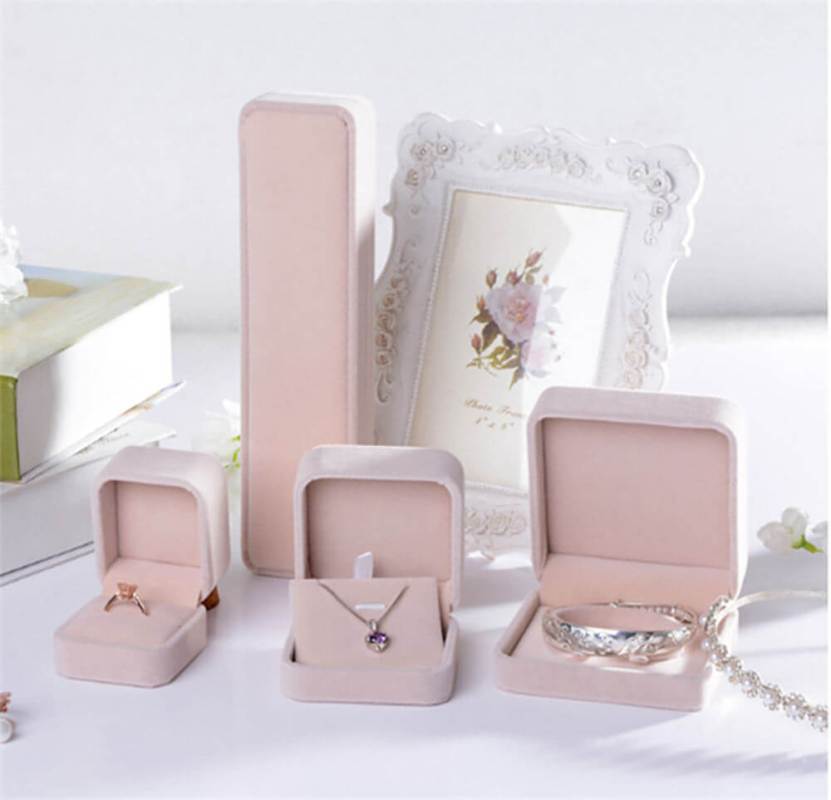
3. Why Persistence in Innovation Matters: Avoiding Stagnation in a Competitive Market
In a jewelry industry where consumers have endless options, packaging that fails to innovate risks becoming invisible. Persistent innovation is not just about launching one “big idea”—it is about fostering a culture of continuous improvement that adapts to changing trends, technologies, and consumer needs. Here’s why it is critical:
- Differentiation: In a market saturated with black velvet boxes and red leather cases, innovative packaging helps brands stand out. A jewelry brand using mushroom mycelium inserts or AR unboxing will capture attention where a generic box will not.
- Consumer Loyalty: Innovation creates emotional connections. A consumer who receives a personalized, tech-enabled jewelry box is more likely to remember the brand and repurchase than one who gets a standard box.
- Future-Proofing: Trends like sustainability and digital engagement are not going away—they will only evolve. Brands that persist in innovating are better equipped to adapt to future changes (e.g., new regulations on plastic waste, emerging technologies like AI) than those that rely on outdated practices.
Persist in innovation is not just a mantra for the jewelry packaging industry—it is a survival strategy. From materials that redefine sustainability to technologies that create immersive experiences, innovation is transforming every aspect of how jewelry is packaged, presented, and experienced. For brands and manufacturers, the key is to move beyond “one-time” innovations and embrace a mindset of continuous improvement—testing new ideas, learning from failures, and iterating based on consumer feedback.
As the industry evolves, the most successful players will be those that see innovation not as a cost, but as an investment—one that pays off in brand differentiation, consumer loyalty, and long-term growth. In a world where consumers crave meaning, personalization, and responsibility, packaging that persists in innovating will not just protect jewelry—it will tell a brand’s story, deepen emotional connections, and shape the future of the industry.
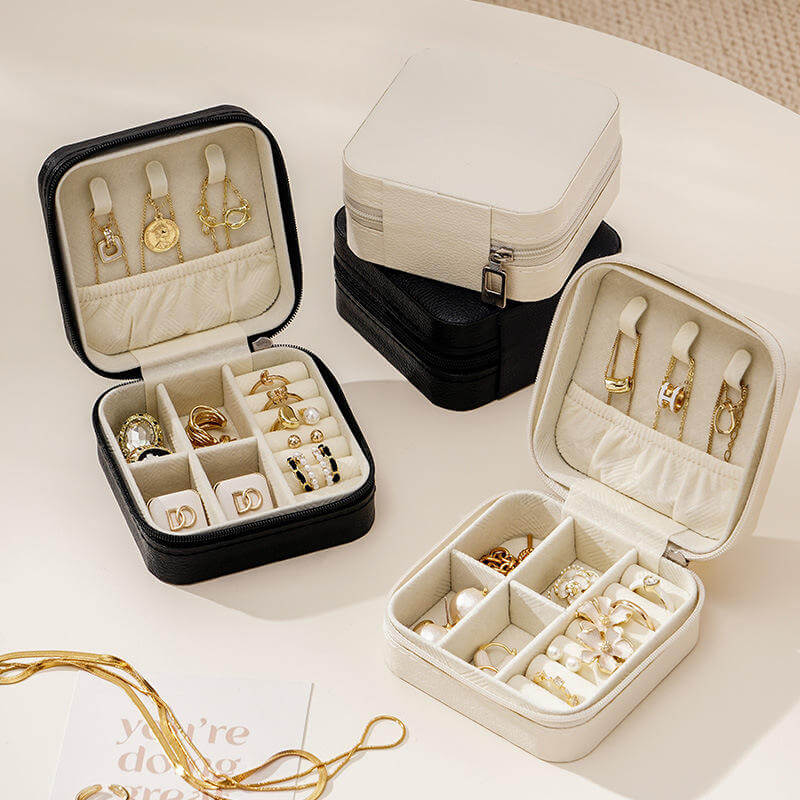
Syonpack is deeply committed to environmental sustainability. We use eco-friendly packaging materials to minimize our carbon footprint and promote a greener future.Our state-of-the-art manufacturing facilities are equipped with the latest technology to produce high-quality eco packaging solutions.Contact us to create a unique packaging solution for you.