

The Difference Between Custom Ring Boxes and General Ring Boxes in Jewelry Packaging
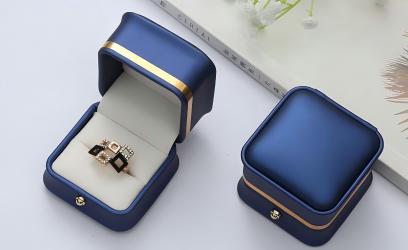
Ring boxes are more than just containers for one of the most meaningful pieces of jewelry—they are part of the emotional narrative of moments like engagements, weddings, or milestone gifts. In the jewelry packaging industry, the choice between custom ring boxes and general (off-the-shelf) ring boxes hinges on far more than aesthetics; it impacts brand identity, consumer emotional connection, product protection, and long-term memorability. For jewelry brands, retailers, and even individual consumers (e.g., those purchasing an engagement ring), understanding these differences is critical to selecting a box that aligns with purpose—whether that’s reinforcing a luxury brand’s legacy, simplifying inventory management, or creating a one-of-a-kind proposal moment.
1. Design and Aesthetic Alignment: Tailored vs. One-Size-Fits-All
The most visible difference between custom and general ring boxes lies in their design flexibility and ability to align with specific visual goals—whether that’s matching a brand’s identity or catering to a unique personal vision.
Custom Ring Boxes: Designed for Exclusivity and Alignment
Custom ring boxes are crafted to meet precise design specifications, making them extensions of a brand’s aesthetic or a consumer’s personal story. Their design flexibility includes:
- Brand-centric customization: Luxury brands often integrate signature elements—such as Tiffany & Co.’s robin’s egg blue hue, Cartier’s gold serif logo, or a sustainable brand’s recycled wood texture—into every detail. For example, a boutique jewelry brand specializing in celestial-inspired rings might commission a custom box with a debossed constellation pattern on the lid and a glow-in-the-dark inner lining, tying the packaging directly to the ring’s design.
- Personalized details for milestones: For individual consumers (e.g., someone buying an engagement ring), custom boxes can include engraving (e.g., the couple’s initials, proposal date), unique color combinations (e.g., the partner’s favorite shade), or even embedded mementos (e.g., a tiny photo slot). These details turn the box into a keepsake, not just a container.
- Structural adaptability: Custom boxes can be designed to fit non-standard ring styles—such as large cocktail rings with oversized gemstones, stackable ring sets, or vintage-inspired designs with intricate metalwork. A general box might force these unique rings into a ill-fitting compartment, but a custom box’s insert (e.g., a foam mold shaped to the ring’s exact contours) ensures a perfect, secure fit.
General Ring Boxes: Mass-Produced for Broad Appeal
General ring boxes are mass-manufactured with standardized designs, intended to work for most basic ring styles (e.g., solitaire engagement rings, simple bands) and appeal to a wide range of users. Their limitations include:
- Generic aesthetics: Most general boxes feature neutral colors (black, white, burgundy) and basic finishes (matte, subtle embossing) with no brand or personalization. They lack unique details—think a plain black velvet box with a standard ring slot, or a white cardboard box with a generic “Jewelry” label.
- One-size-fits-all structure: The internal inserts (usually a small foam or velvet slot) are designed for average-sized rings. They often fail to accommodate larger rings, rings with bulky settings, or multiple rings (e.g., a wedding band + engagement ring set), leading to a loose fit that risks scratching or damage.
- No brand differentiation: For jewelry brands, using a general box means missing an opportunity to reinforce brand identity. A customer who buys a ring from Brand A in a generic black box is less likely to remember the brand than one who receives it in a custom box with Brand A’s signature design.

2. Brand Identity and Storytelling: Silent Ambassador vs. Neutral Container
In the jewelry industry, packaging acts as a “silent brand ambassador.” Custom and general ring boxes differ drastically in their ability to communicate a brand’s values, legacy, or unique selling points.
Custom Ring Boxes: Amplify Brand Storytelling
Custom boxes are intentional tools for brand storytelling, turning every unboxing into a chance to reinforce what a brand stands for:
- Legacy brands: For heritage houses like Van Cleef & Arpels, custom boxes (e.g., their signature blue velvet with gold foil detailing) evoke decades of craftsmanship, reminding customers of the brand’s history of luxury. A custom box doesn’t just hold the ring—it carries the brand’s legacy.
- Sustainable brands: A brand focused on eco-consciousness might use a custom box made from reclaimed wood with a hand-stamped logo and a compostable inner liner. This design doesn’t just “look sustainable”—it is sustainable, aligning the packaging with the brand’s core values and building trust with eco-conscious consumers.
- Contemporary brands: Minimalist brands like Mejuri use custom boxes (sleek matte black with subtle gold lettering) to reflect their “everyday luxury” ethos. The box’s understated design mirrors the brand’s jewelry, creating a cohesive experience that resonates with their target audience (young, design-focused shoppers).
General Ring Boxes: No Brand Association
General boxes are neutral by design—they don’t tell a brand’s story, because they aren’t designed to. For brands, this means:
- Lost brand recall: A customer who receives a ring in a generic box is unlikely to associate the packaging with the brand later. If they want to repurchase or recommend the brand, the lack of a memorable box makes it harder to recall which brand they bought from.
- Diluted perceived value: A high-quality ring placed in a cheap, generic box risks feeling less valuable. Consumers often judge a product’s quality by its packaging; a general box can undermine even the most exquisite ring’s perceived worth.

3. Product Protection: Precision Fit vs. Generic Security
Rings—especially those with gemstones (e.g., diamonds, pearls) or delicate metalwork—require precise protection to avoid scratches, tarnishing, or damage. Custom and general boxes differ in how well they safeguard these valuable pieces.
Custom Ring Boxes: Tailored Protection for Unique Rings
Custom boxes are engineered to protect the specific ring they hold, addressing its unique vulnerabilities:
- Custom inserts: For a ring with a large solitaire diamond, a custom box might include a foam insert with a deep, narrow slot that holds the band securely while keeping the diamond elevated (preventing it from rubbing against the box and getting scratched). For a pearl ring, the insert could be lined with soft silk to avoid abrading the pearl’s delicate surface.
- Material matching: Custom boxes can use materials that complement the ring’s needs. For example, a silver ring (prone to tarnishing) might be stored in a custom box lined with anti-tarnish fabric, while a ring with a porous gemstone (e.g., opal) could be in a box with a moisture-absorbing insert to prevent damage.
- Transit resilience: For e-commerce brands, custom boxes can be designed with extra padding or rigid exteriors to protect rings during shipping. A general box might collapse under pressure, but a custom box with reinforced corners and a shock-absorbent insert ensures the ring arrives intact.
General Ring Boxes: Basic Protection for Standard Rings
General boxes offer minimal, one-size-fits-all protection, which often falls short for unique or valuable rings:
- Ill-fitting inserts: A ring with a wide band or bulky setting might not fit in a general box’s narrow slot, leading to movement during transit. This movement can cause the ring to scratch against the box or even fall out if the box is opened roughly.
- Low-quality materials: Many general boxes use thin cardboard exteriors and low-grade velvet or foam liners. These materials offer little protection against impacts (e.g., a dropped box) or moisture (e.g., humidity in a bathroom), putting the ring at risk.
- No specialized safeguards: General boxes lack anti-tarnish liners, moisture absorbers, or scratch-resistant materials—critical for protecting high-value or delicate rings over time.
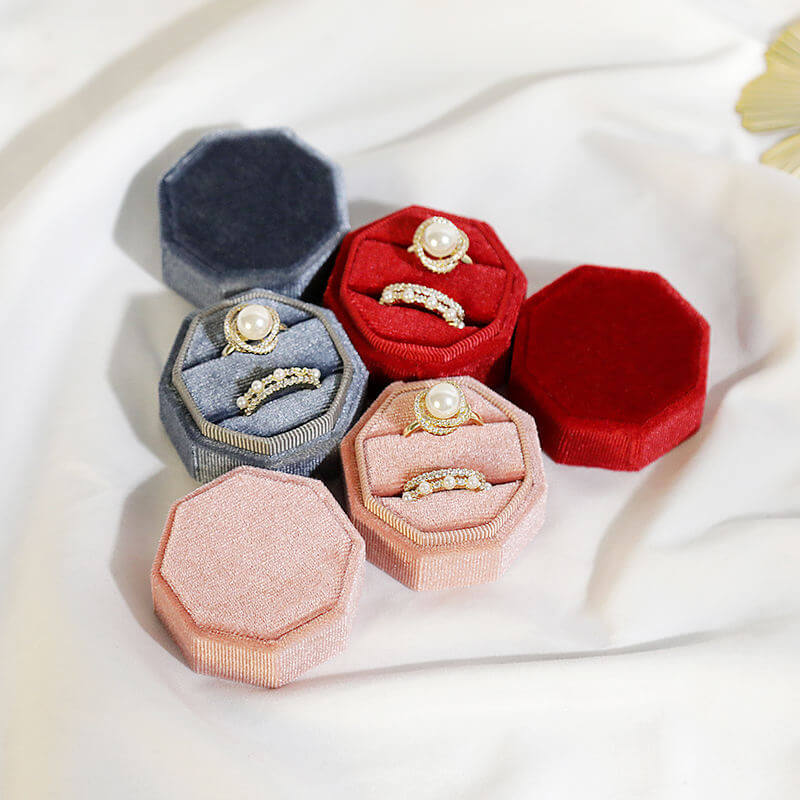
Custom and general ring boxes are not “better” or “worse”—they are designed for different purposes. Custom boxes excel at storytelling, emotional connection, and brand differentiation, making them ideal for luxury, unique, or milestone-focused rings. General boxes excel at affordability, scalability, and practicality, making them perfect for basic, high-volume jewelry.
For jewelry brands, the key is to align the box choice with their brand strategy: a luxury brand that skimps on custom packaging risks diluting its legacy, while a fast-fashion brand that invests in custom boxes may waste resources on a feature its customers don’t value. For individual consumers, the choice comes down to the moment’s importance— a proposal might call for a custom box to make it unforgettable, while a casual gift might only need a general box to get the job done.
By understanding these differences, brands and consumers alike can select a ring box that doesn’t just hold a piece of jewelry—it enhances its meaning.
At Syonpack, we have specialized in creating custom jewelry packaging for over 18 years.Our service team is ready to serve you at any time. Contact us now to develop a unique packaging solution for your brand