

How to Use Jewelry Packaging to Stand Out Among Many Jewelry Brands
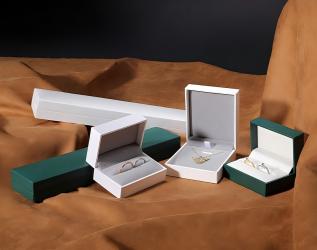
In the crowded jewelry market, where consumers are spoiled for choice between legacy houses, contemporary labels, and artisanal brands, packaging has evolved from a functional afterthought to a critical differentiator. A well-designed jewelry package does more than protect the product—it tells a brand’s story, evokes emotion, and leaves a lasting impression that lingers long after the jewelry is unworn. For brands aiming to cut through the noise, leveraging packaging as a strategic tool to highlight uniqueness, align with consumer values, and elevate the customer experience is essential. Below is a comprehensive guide to using jewelry packaging to stand out in a saturated market.
1. Align Packaging with Brand DNA to Create Instant Recognition
The most memorable jewelry packaging is inseparable from the brand it represents. To stand out, packaging must act as a “visual extension” of the brand’s core identity—whether that’s luxury, sustainability, minimalism, or heritage. This alignment creates instant recognition, even before the logo is seen, and builds a consistent, cohesive brand image that consumers associate with authenticity.
A. Embed Signature Visual Cues
Legacy brands have mastered this with iconic packaging elements that become cultural touchstones. Tiffany & Co.’s robin’s egg blue box, with its white satin ribbon, is a prime example: the color and simplicity are so tied to the brand’s “timeless romance” identity that the box alone triggers immediate recall. For newer brands, creating unique visual cues—such as a proprietary color, texture, or shape—can achieve the same effect.
For instance, contemporary brand Mejuri, which targets “everyday luxury” seekers, uses matte-black boxes with subtle gold lettering. The understated design mirrors the brand’s ethos of “less flash, more substance,” making its packaging instantly distinguishable from the ornate cases of traditional luxury brands. Similarly, sustainable jewelry brand Pacharee uses handwoven bamboo boxes dyed with natural indigo—materials and craftsmanship that reflect its commitment to “eco-luxury” and artisanal heritage. These signature cues turn packaging into a “silent brand ambassador,” ensuring consumers recognize the brand at a glance.
B. Avoid Generic “Luxury” Tropes
Many brands fall into the trap of copying generic “luxury” packaging—think velvet boxes, gold foil, and embossed logos—without tying these elements to their unique identity. This leads to “packaging sameness,” where consumers can’t tell one brand’s box apart from another. To stand out, reimagine traditional luxury through your brand’s lens.
For example, instead of a standard red leather case (a common luxury trope), a brand focused on celestial-inspired jewelry could use a midnight-blue box with a debossed constellation pattern and a glow-in-the-dark inner lining. A brand specializing in minimalist, gender-neutral jewelry might replace frilly ribbons with a sleek magnetic closure and a monochromatic color scheme. By rejecting one-size-fits-all luxury and infusing packaging with brand-specific personality, you create a distinct visual identity that resonates with your target audience.
2. Innovate Functionality to Solve Consumer Pain Points
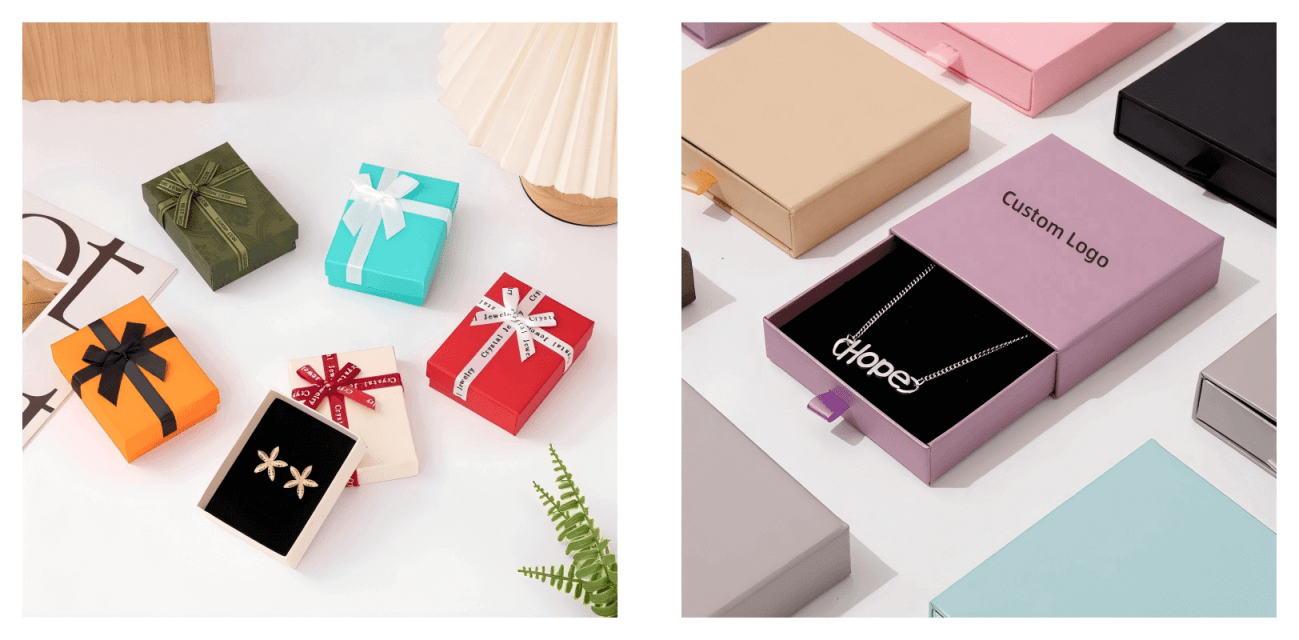
Packaging that is both beautiful and useful is more likely to be kept and reused—extending your brand’s presence in the consumer’s life. By solving common consumer pain points (e.g., difficulty storing jewelry, fear of damage during travel), you turn packaging into a “value-added tool” that makes your brand more practical and memorable.
A. Design for Reusability
Most jewelry packaging is discarded after the first use, but reusable designs keep your brand top of mind long after purchase. For example:
- A jewelry box that doubles as a travel case (with compartments for rings, earrings, and necklaces) solves the problem of transporting delicate pieces.
- A pouch made from durable, washable fabric (instead of single-use plastic) can be reused to store jewelry at home or on the go.
- A rigid box with removable inserts can be repurposed as a keepsake box for photos, letters, or small trinkets.
B. Add Practical Features for Protection and Convenience
Consumers hate damaged jewelry or packaging that doesn’t keep pieces organized. By adding practical features that address these concerns, you show your brand cares about the consumer’s experience beyond the sale.
For example:
- Anti-tarnish linings: For silver jewelry, a box lined with anti-tarnish fabric prevents oxidation, solving a common frustration for consumers.
- Custom inserts: Foam or fabric inserts tailored to the shape of a specific piece (e.g., a hoop earring or a pendant necklace) keep it secure and prevent scratches.
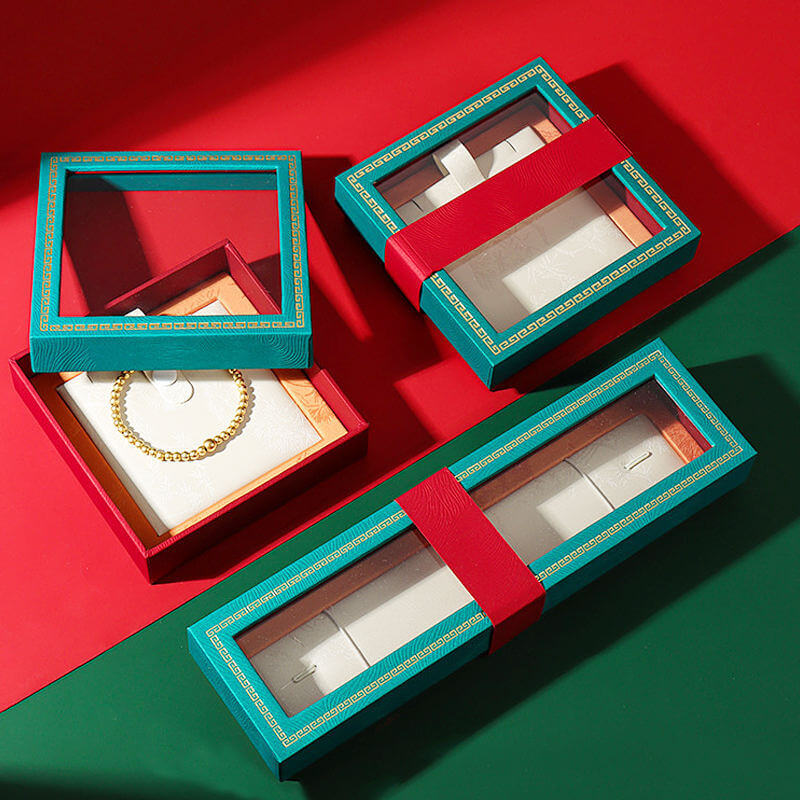
- Clear windows: A small clear window in the box allows consumers to see the jewelry without opening it—useful for storage and gifting.
3. Align Packaging with Consumer Values to Build Trust
Today’s consumers—especially Gen Z and millennials—choose brands that align with their values, such as sustainability, ethics, and inclusivity. Packaging is a visible way to demonstrate these values, making your brand stand out to value-driven shoppers who prioritize purpose over just aesthetics.
A. Prioritize Sustainable Materials (Without Sacrificing Luxury)
Sustainability is no longer a “nice-to-have”—it’s a “must-have” for many consumers. Brands that use eco-friendly packaging without compromising on quality or luxury stand out in a market still dominated by plastic and non-recyclable materials.
Examples of sustainable packaging choices include:
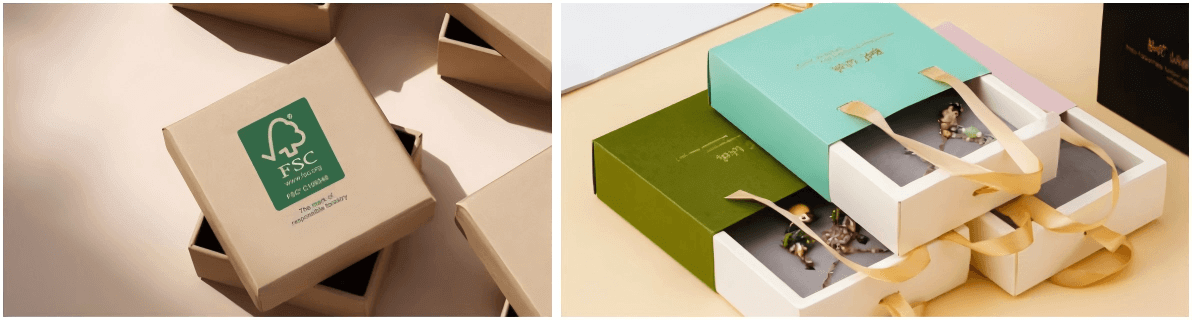
- Recycled or FSC-certified paper/cardboard: For boxes and sleeves.
- Biodegradable plastics: For pouches or protective layers (e.g., PLA derived from corn starch).
- Upcycled materials: For unique, artisanal touches—such as boxes made from reclaimed wood or fabric scraps.
- Minimal packaging: Reducing unnecessary layers (e.g., skipping plastic dust bags) to cut waste.
B. Celebrate Inclusivity Through Design
Inclusivity is another key value for modern consumers. Packaging that reflects diverse identities, occasions, or uses can make your brand feel more relatable and welcoming.
For example:
- Gender-neutral designs: Avoiding overly “feminine” or “masculine” colors (e.g., pastels vs. dark grays) to appeal to consumers who wear gender-neutral jewelry.
- Occasion-flexible packaging: A box that works for both an engagement ring (a formal occasion) and a everyday necklace (a casual purchase) avoids limiting your brand to one type of consumer.
- Culturally inspired elements: Incorporating patterns or colors from diverse cultures (with respect and authenticity) to resonate with global audiences.
Conclusion
In a market where jewelry designs can feel similar and competition is fierce, packaging is your brand’s secret weapon to stand out. By aligning packaging with your brand DNA, elevating the unboxing experience, innovating for functionality, and reflecting consumer values, you create a “total brand experience” that goes beyond the jewelry itself. The best packaging doesn’t just hold a product—it holds a memory, a value, and a connection. For brands willing to invest in thoughtful, intentional packaging, the result is not just more sales, but more loyal customers who become advocates for your brand.
In the end, standing out with jewelry packaging isn’t about being the most flashy—it’s about being the most “you.” When your packaging authentically reflects who you are and what you stand for, it will resonate with the right consumers and set you apart from the rest.
At SyonPack,we understand that packaging is crucial to your jewelry business. Whether you’re looking for eco-friendly packaging, a luxurious finish, or custom jewelry packaging that matches your brand’s personality, we’re happy to design the perfect solution for you. Create packaging as unique and beautiful as your jewelry! Click here contact us today!