

Sustainable Jewelry Packaging Boxes: The Fast-Growing Trend Brands Can’t Ignore
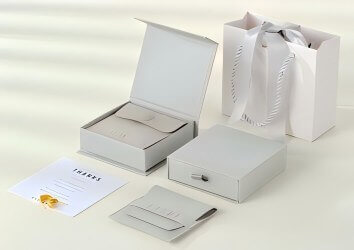
In the luxury jewelry industry, where craftsmanship, exclusivity, and brand heritage have long been the cornerstones of success, a new priority has emerged as a non-negotiable: sustainability. Specifically, sustainable jewelry packaging boxes have transitioned from a “nice-to-have” initiative to a critical business strategy—one that aligns with global environmental goals, meets evolving consumer expectations, and drives long-term brand value. As plastic waste crises, carbon footprint concerns, and regulatory pressures intensify, jewelry brands that overlook this trend risk falling behind competitors and losing the trust of a new generation of conscious shoppers. This article explores the rise of sustainable jewelry packaging, its driving forces, market dynamics, and actionable strategies for brands looking to embrace it.
The Rise of Sustainable Jewelry Packaging: From Niche to Mainstream
Today, sustainable packaging is no longer a niche choice reserved for small, eco-focused brands. Major players—from Tiffany & Co. to Pandora—have made public commitments to overhaul their packaging systems. Tiffany’s 2025 goal to use 100% recycled or sustainably sourced paper for its iconic blue boxes, for example, signals a industry-wide shift: sustainability is now integral to defining “luxury.” This transition is not just about reducing environmental harm; it is about redefining what luxury means to modern consumers—who increasingly associate premium brands with responsibility, transparency, and purpose.
For jewelry brands, packaging is more than a protective vessel for their products. It is the first physical touchpoint between the consumer and the brand, setting the tone for the entire ownership experience. A sustainable box—crafted from recycled materials, adorned with plant-based inks, or designed for reuse—sends a powerful message: the brand cares about more than just selling a piece of jewelry; it cares about the planet and future generations. In an era of “conscious consumption,” this message is invaluable.
At Syonpack,We are strongly committed to providing customers with professional eco-friendly packaging and sustainable packaging solutions.
Market Status of Sustainable Jewelry Packaging: Growth, Data, and Competition
The global sustainable jewelry packaging market is experiencing unprecedented growth, driven by the factors outlined above. According to a 2024 report by Grand View Research, the market is projected to reach $1.2 billion by 2030, growing at a compound annual growth rate (CAGR) of 8.7% from 2024 to 2030—far outpacing the overall jewelry packaging market, which is growing at a CAGR of 4.2%.
1. Market Size and Growth Drivers
The growth is fueled by several key factors:
- Increased brand investment: Major jewelry brands are allocating significant budgets to sustainable packaging R&D. For example, Cartier announced a €50 million investment in sustainable packaging innovation in 2023, with a focus on developing biodegradable inserts and reusable cases.
- Expansion of eco-friendly materials: Suppliers are introducing new, high-performance sustainable materials—such as mushroom-based foam (mycelium), recycled polyester fabric, and seed paper (which can be planted to grow flowers)—that match the luxury aesthetic of traditional packaging.
- Rise of e-commerce: With online jewelry sales growing (accounting for 25% of total sales in 2024, per Statista), brands need durable, eco-friendly packaging that protects products during shipping. Sustainable materials like corrugated cardboard (made from recycled paper) are now preferred for their strength and recyclability.
2. Market Competition: Who’s Leading the Charge?
The sustainable jewelry packaging market is dominated by a mix of established packaging manufacturers and innovative startups.
- Established players: Companies like WestRock and International Paper—long-time suppliers to the luxury industry—have expanded their sustainable offerings, launching lines of FSC-certified paper boxes, recyclable plastic alternatives, and water-based inks. These manufacturers have the scale to meet the needs of large brands, ensuring consistency and reliability.
- Startups and niche suppliers: Smaller, specialized firms are disrupting the market with innovative solutions. For example, Ecovative Design produces mycelium-based inserts that are compostable and customizable, while noissue offers custom-printed tissue paper made from recycled materials and soy-based inks. These suppliers appeal to brands looking for unique, story-driven packaging.
Competition is also intensifying on price. While sustainable packaging was once more expensive than traditional options, economies of scale and material innovation have narrowed the gap. Today, recycled paper boxes cost only 10-15% more than non-recycled alternatives—and the cost is expected to drop further as demand grows.

The Impact of Sustainable Packaging on Jewelry Brands
Adopting sustainable jewelry packaging is not just an environmental choice—it is a strategic one that delivers tangible business benefits, from enhanced brand image to increased sales.
1. Enhancing Brand Image and Reputation
In a world where consumers are increasingly skeptical of “greenwashing,” sustainable packaging provides tangible proof of a brand’s commitment to sustainability. It helps brands build trust and credibility, which are critical in the luxury jewelry sector.
A 2023 study by Nielsen found that 66% of consumers trust brands more when they use sustainable packaging, and 58% say they would recommend such brands to friends and family. For example, when Tiffany & Co. announced its 2025 sustainable packaging goal, it received widespread media coverage and positive social media feedback, with many consumers praising the brand for “walking the talk” on sustainability.
2. Strengthening Consumer Loyalty
Consumers who value sustainability are more likely to remain loyal to brands that share their values. Sustainable packaging creates an emotional connection, turning one-time buyers into repeat customers.
Loyalty is also driven by the “unboxing experience.” A sustainable package—whether it’s a handcrafted bamboo box or a recycled paper box with a handwritten note—feels more personal and thoughtful than a generic plastic box. This experience creates a memory that consumers associate with the brand, making them more likely to return for future purchases.
3. Driving Sales Growth
While sustainable packaging may require an initial investment, it ultimately drives sales by attracting new customers and increasing repeat purchases.
As mentioned earlier, 73% of Gen Z consumers are willing to pay more for sustainable products—and this willingness extends to jewelry. A 2024 survey by Deloitte found that luxury jewelry shoppers are willing to pay a 10-15% premium for products with sustainable packaging. For high-ticket items like engagement rings (which average $6,000 in the U.S.), this premium can translate to significant revenue growth.
Sustainable packaging also helps brands tap into new markets. For example, the “eco-luxury” market—consumers who seek both luxury and sustainability—is growing at a rate of 12% per year, according to Bain & Company. Brands that offer sustainable packaging are well-positioned to capture this market, which is expected to reach $1.5 trillion by 2027.
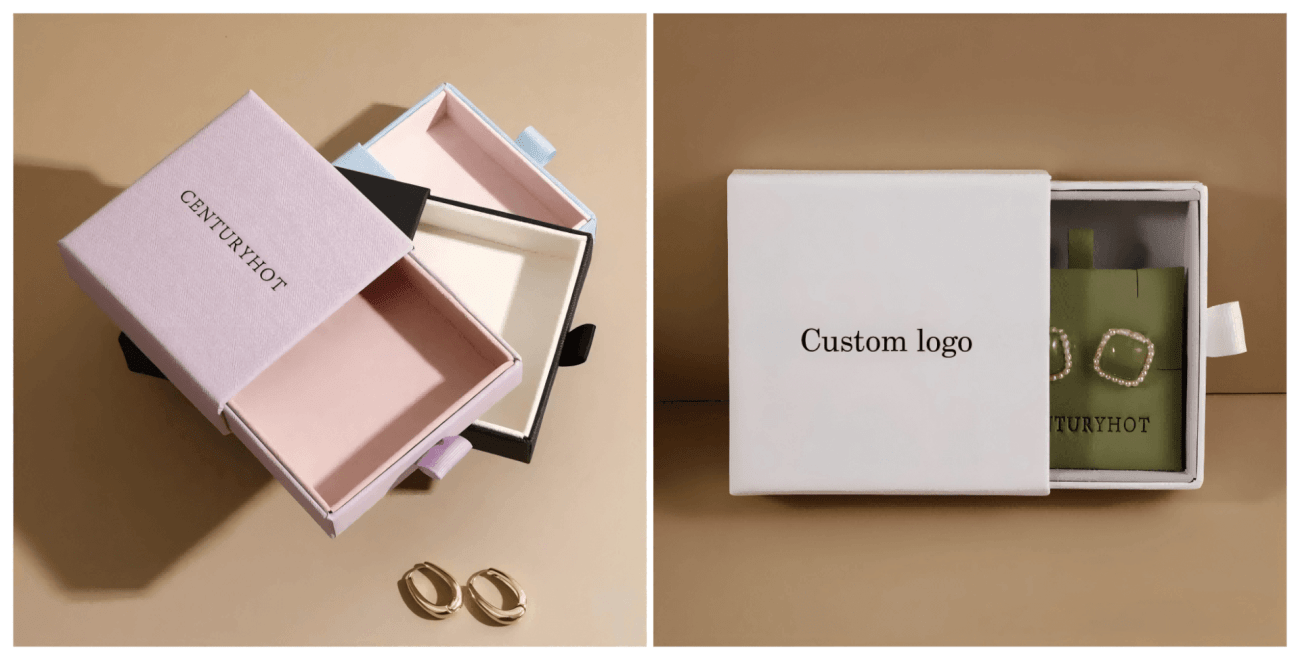
We understand that packaging is crucial to your jewelry business. Whether you’re looking for eco-friendly packaging, luxurious finishes, or custom jewelry packaging that matches your brand’s personality, we’ll be happy to design the perfect solution for you. Contact us today to learn more about how we can enhance your packaging and make your jewelry stand out. Create packaging as unique and beautiful as your jewelry!