

The Difference Between Women’s Jewelry Boxes and Men’s Jewelry Boxes
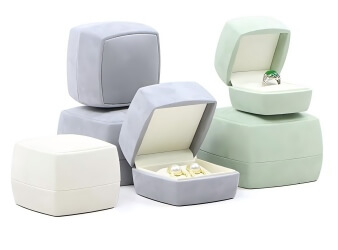
In the jewelry packaging industry, one-size-fits-all solutions rarely resonate—especially when it comes to gender-specific needs. Women’s and men’s jewelry boxes are not just aesthetically distinct; they are engineered to accommodate different types of jewelry, align with contrasting style preferences, and support unique usage habits. For jewelry brands targeting gender-specific audiences (or curating unisex lines), understanding these differences is critical to creating packaging that feels intentional, functional, and tailored. This article explores the key distinctions between women’s and men’s jewelry boxes across five core dimensions: jewelry compatibility, design aesthetics, structural functionality, material selection, and user experience.
1. Jewelry Compatibility: Designed for Different Piece Types
The most fundamental difference between women’s and men’s jewelry boxes lies in their ability to house the specific jewelry each gender typically wears. These differences in jewelry size, style, and quantity directly shape the box’s internal structure.
Women’s Jewelry Boxes: Versatility for Diverse, Delicate Pieces
Women’s jewelry collections often include a wider range of piece types—from dainty earrings and thin chains to statement necklaces and bulky bracelets—many of which require gentle storage and separation to prevent damage. As a result:
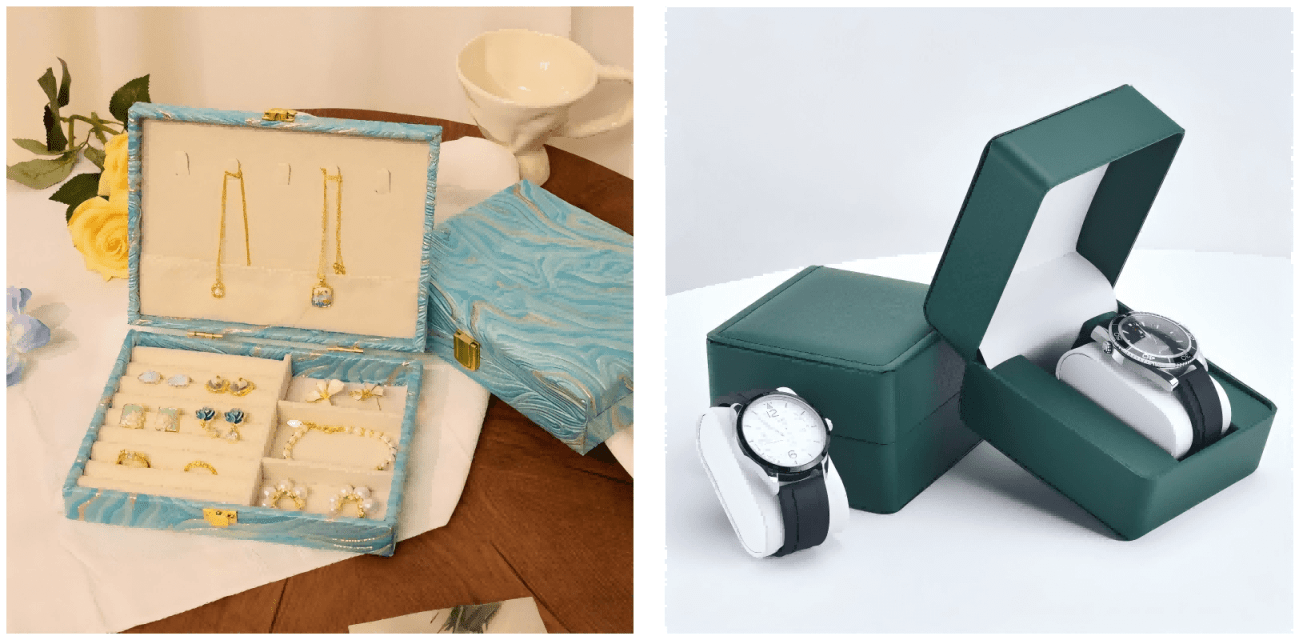
- Internal compartments: Women’s boxes feature smaller, more numerous compartments to organize tiny items (e.g., stud earrings, midi rings, charm pendants). They may include dedicated slots for rings (with padded dividers to prevent scratching), small drawers for earrings, and hooks or loops for necklaces (to avoid tangling).
- Soft, protective linings: Velvet, silk, or microfiber linings are standard, as they cushion delicate materials like pearls, enamel, or thin gold chains. For example, a typical women’s jewelry box might have a velvet-lined top tray with 10+ earring holes and a lower drawer with ring slots—ideal for storing a mix of everyday and occasional pieces.
- Accommodation for larger pieces: Many women’s boxes include a tall, open section (or a fold-out panel with hooks) for statement necklaces or long chains, ensuring these pieces don’t get crushed or tangled with smaller items.
Men’s Jewelry Boxes: Durability for Bulkier, Minimalist Pieces
Men’s jewelry tends to be fewer in quantity but sturdier in design—think watches, thick bracelets, cufflinks, and simple necklaces (e.g., leather cords, stainless steel pendants). Men’s boxes prioritize durability and space for these bulkier items:
- Larger, fewer compartments: Compartments are wider and deeper to fit watches (with padded watch cushions to prevent movement), cufflinks (often in a small, secure tray), and thick bracelets. For example, a men’s box might have 2–3 watch cushions, a single tray for cufflinks, and a small pouch for a necklace—no need for tiny earring slots or delicate hooks.
- Sturdy, low-maintenance linings: Leather (genuine or vegan) or felt linings are common, as they resist wear from metal pieces and are easier to clean than velvet. Leather linings also complement the rugged aesthetic of men’s jewelry (e.g., a stainless steel bracelet won’t snag on leather like it might on silk).
- Watch-focused design: Since watches are a staple of men’s jewelry, many men’s boxes include dedicated watch winder compartments (for automatic watches) or extra-thick cushions to protect watch faces and bands— a feature rarely found in women’s boxes.

2. Design Aesthetics: Aligning with Gender-Specific Style Preferences
Aesthetics play a key role in brand resonance, and women’s and men’s jewelry boxes reflect contrasting style norms—from color palettes to decorative details.
Women’s Jewelry Boxes: Elegance, Softness, and Decorative Flair
Women’s boxes often embrace elegance and softness, with design elements that feel indulgent and visually appealing:
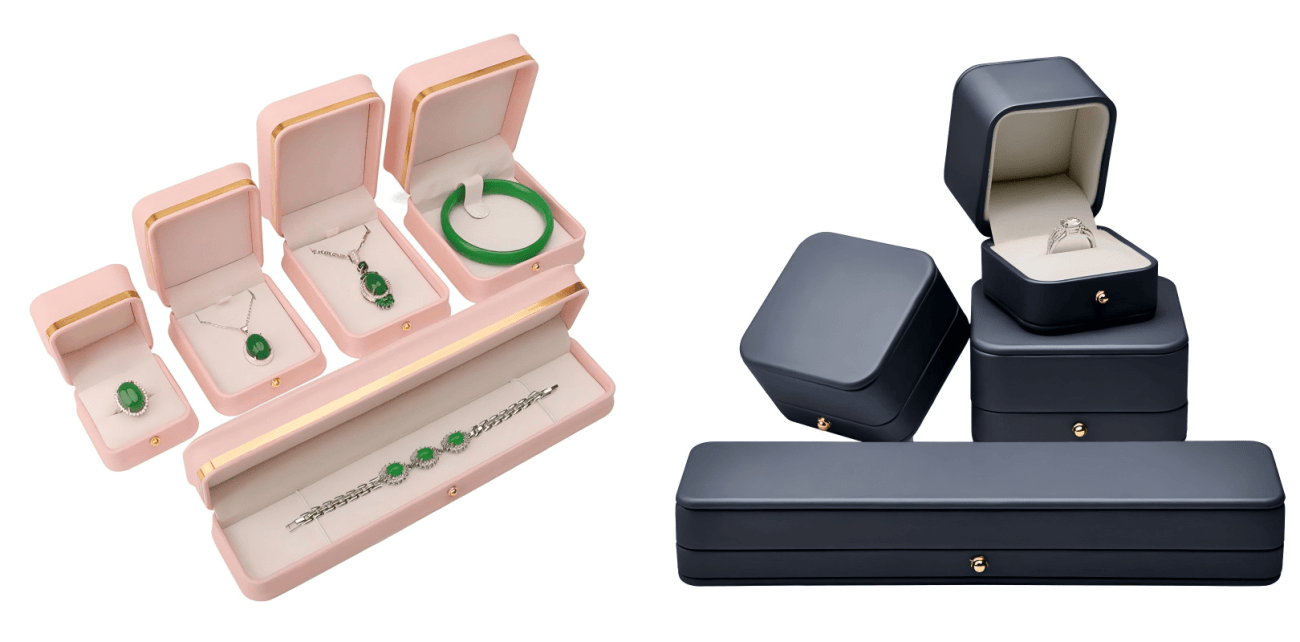
- Color palette: Soft neutrals (ivory, blush, taupe) or jewel tones (burgundy, emerald, sapphire) dominate, reflecting a preference for warmth and vibrancy. Metallic accents (gold, rose gold) are common—either as hardware (hinges, latches) or embossed details (e.g., a gold foil logo on a blush velvet box).
- Shape and silhouette: Rounded edges, curved tops, or ornate details (e.g., embossed floral patterns, quilted stitching) are typical, adding a feminine, luxurious touch. For example, a high-end women’s box might have a curved lid with a quilted velvet exterior and a gold magnetic closure—design elements that feel sophisticated and giftable.
- Transparency options: Some women’s boxes include clear acrylic lids or windows, allowing users to see their jewelry collection at a glance—ideal for those who enjoy displaying their pieces.
Men’s Jewelry Boxes: Minimalism, Ruggedness, and Understated Style
Men’s boxes prioritize minimalism and functionality, with a “less is more” approach to design:
- Color palette: Neutral, muted tones (black, brown, gray, navy) are standard, with occasional accents of silver or gunmetal (instead of gold). These colors align with men’s typical wardrobe palettes and convey a sense of ruggedness or sophistication.
- Shape and silhouette: Sharp, clean lines, rectangular shapes, and flat tops are common—no ornate curves or decorative patterns. For example, a men’s leather box might have a sleek, rectangular design with a plain metal latch and no external branding—understated enough to sit on a desk or dresser without feeling overly decorative.
- Texture over ornamentation: Instead of embossed patterns, men’s boxes use texture to add visual interest—e.g., a matte leather exterior, a brushed metal frame, or a wood grain finish. These textures feel masculine and durable, avoiding the “fussy” look of decorative women’s boxes.
3. Structural Functionality: Catering to Usage Habits
How men and women use their jewelry boxes—from daily access to travel—varies, and these habits shape the box’s external structure and features.
Women’s Jewelry Boxes: Accessibility and Storage Capacity
Women often use their jewelry boxes daily, rotating between multiple pieces, so accessibility and storage capacity are key:
- Multi-layered design: Many women’s boxes have 2–3 layers (trays or drawers) to maximize storage space for a large collection. A top tray might hold everyday earrings and rings, while a lower drawer stores occasional pieces like necklaces or bracelets.
- Easy-open features: Magnetic closures or soft-closing hinges are common, as they allow quick access (e.g., grabbing a pair of earrings before work) without fumbling with latches. Some boxes also have fold-out panels with necklace hooks, keeping chains visible and easy to select.
- Vanity-friendly size: Women’s boxes are often designed to sit on a dresser or vanity, with a compact footprint but tall enough to accommodate layered storage. They may also include a mirror on the inside of the lid— a convenient feature for putting on jewelry.
Men’s Jewelry Boxes: Portability and Durability
Men’s jewelry use is often more occasional (e.g., a watch for work, cufflinks for a wedding) or focused on travel, so portability and durability take priority:
- Compact, single-layer design: Most men’s boxes are single-layer or have 1–2 shallow trays, keeping the box slim and easy to transport. A travel-friendly men’s box might fit in a suitcase or gym bag, with a hard exterior to protect watches or cufflinks during transit.
- Secure closures: Snap latches or zippered exteriors are common, as they keep the box closed tightly—critical for travel (no jewelry falling out) or daily use (preventing dust from entering). For example, a men’s leather travel box might have a zippered top and a hard shell, ensuring durability on the go.
- Desk-appropriate design: Men’s boxes are often smaller and more rugged, making them suitable for placement on a desk (e.g., a small watch box) instead of a vanity. They avoid the “bulky” look of multi-layered women’s boxes, fitting seamlessly into a masculine workspace.
4. Material Selection: Balancing Aesthetics and Durability
The materials used in women’s and men’s jewelry boxes reflect not just style preferences but also practical needs—from protecting delicate pieces to withstanding rough use.
Women’s Jewelry Boxes: Soft, Luxurious Materials
Women’s boxes prioritize soft, luxurious materials that feel indulgent and protect delicate jewelry:
- Exterior materials: Velvet, satin, or padded fabric are common for everyday boxes, while high-end options use silk or embroidered fabric. For luxury brands, a women’s box might have a velvet exterior with a silk lining—materials that feel premium and gentle on jewelry.
- Hardware: Gold, rose gold, or brass hardware (hinges, latches, handles) adds a touch of elegance. These metals complement the soft color palette and feel more feminine than silver or gunmetal.
Men’s Jewelry Boxes: Durable, Low-Maintenance Materials
Men’s boxes use materials that are tough, easy to clean, and resistant to wear:
- Exterior materials: Leather (genuine or vegan), wood, or hard plastic are standard. Leather is particularly popular, as it ages well (developing a patina over time) and resists scratches from daily use. A men’s wood box might have a walnut or oak finish—durable and masculine, with no need for frequent cleaning.
- Hardware: Silver, gunmetal, or stainless steel hardware is common, as these metals are sturdy and avoid the “flashy” look of gold. A men’s box might have a brushed stainless steel latch that won’t tarnish or show fingerprints—low-maintenance and functional.
Conclusion: Choosing the Right Box for Your Audience
The difference between women’s and men’s jewelry boxes is rooted in a deep understanding of their target users’ needs: women’s boxes prioritize versatility, softness, and emotional appeal to accommodate diverse, delicate collections; men’s boxes focus on durability, minimalism, and utility to house bulkier, occasional pieces.
For jewelry brands, selecting the right box means aligning with these needs:
- If your brand sells dainty earrings, layered necklaces, or statement pieces for women, opt for a multi-layered box with soft linings, small compartments, and elegant details.
- If you specialize in watches, cufflinks, or rugged bracelets for men, choose a compact, durable box with watch cushions, leather linings, and a minimalist design.
By recognizing these differences, brands can create packaging that doesn’t just store jewelry—it resonates with the user, enhancing their experience and strengthening brand loyalty.
Creating the perfect packaging solution is a complex yet rewarding endeavor. If you’re looking for a strategic partner who deeply understands your brand vision and can transform challenges into opportunities through expertise and reliable execution,Syonpack would be honored to partner with you to write the next chapter of your brand’s success.