

The Impact of Packaging on Branded Jewelry: Shaping Perception, Value, and Loyalty
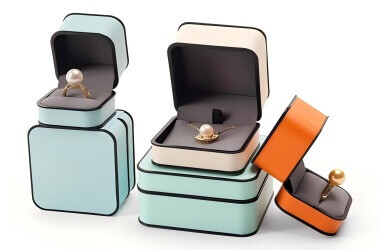
In the world of branded jewelry, where craftsmanship, heritage, and emotion converge to define luxury, packaging is no longer a mere functional afterthought. It has evolved into a strategic tool that bridges the gap between a brand’s essence and a consumer’s first-hand experience. For branded jewelry—whether it’s a legacy house like Cartier or a contemporary label like Mejuri—packaging serves as a silent ambassador: it reinforces brand identity, elevates perceived value, safeguards product integrity, and fosters long-term emotional loyalty. This article delves into the multifaceted impact of packaging on branded jewelry, exploring how it influences consumer behavior, brand differentiation, and sustainability goals in an increasingly competitive market.
1. Packaging as a Carrier of Brand Identity: Reinforcing Legacy and Consistency
For branded jewelry, identity is everything. A brand’s logo, color palette, material choices, and design language are not just visual elements—they are narratives that tell stories of heritage, craftsmanship, or modernity. Packaging acts as a tangible extension of this narrative, ensuring that every touchpoint with the consumer aligns with the brand’s core values.
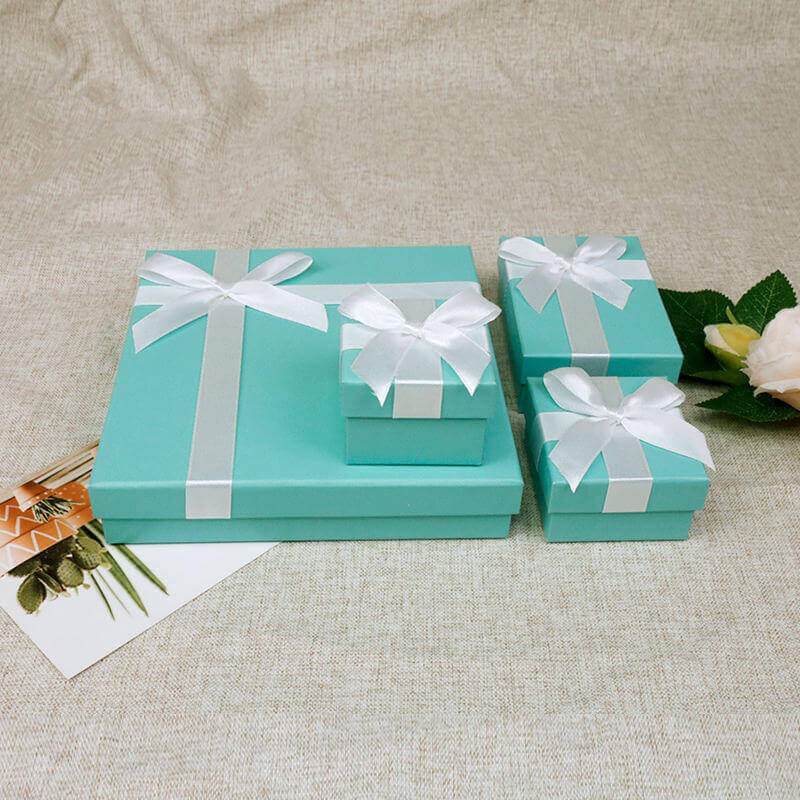
Take, for example, Tiffany & Co.’s iconic robin’s egg blue box. Introduced in 1845, the box’s soft blue hue and minimalist white ribbon have become synonymous with the brand’s promise of timeless elegance and gifting joy. Today, the “Tiffany Blue Box” is so recognizable that it triggers instant brand recall—even without the logo. When a consumer receives a piece of Tiffany jewelry in this box, they are not just unboxing a product; they are engaging with a century-old tradition of luxury. Similarly, Cartier’s red leather cases, adorned with the brand’s gold serif logo, evoke a sense of regal sophistication that mirrors its history of crafting jewelry for royalty and celebrities. These packaging designs are not arbitrary—they are carefully calibrated to reinforce the brand’s identity, making every unboxing moment a consistent, immersive brand experience.
For contemporary branded jewelry, packaging plays an equally critical role in defining identity. Brands like Mejuri, which cater to a younger, minimalist audience, use sleek, matte-black boxes with subtle gold lettering—packaging that reflects their ethos of “everyday luxury.” This design choice differentiates Mejuri from traditional luxury houses, speaking directly to consumers who value understated elegance over opulence. In this way, packaging becomes a powerful tool for brand positioning: it communicates who the brand is, who it is for, and what it stands for—long before the consumer even sees the jewelry inside.
2. Elevating Perceived Value: Packaging as a Marker of Luxury
In the luxury jewelry market, perceived value is often as important as intrinsic value (e.g., the quality of gemstones or metals). Packaging plays a pivotal role in shaping this perception, as it sets the tone for the consumer’s expectations of the product inside. A well-designed, high-quality package signals that the jewelry within is also exceptional—justifying premium price points and reinforcing the brand’s status as a luxury leader.
The tactile and sensory elements of packaging are key to this effect. Luxury branded jewelry often uses materials like genuine leather, velvet, silk, or embossed paper—textures that invite touch and convey indulgence. For instance, Bulgari’s Serpenti collection comes in a black velvet pouch lined with soft satin, which not only protects the jewelry but also creates a sense of intimacy and exclusivity. When a consumer runs their fingers over the velvet or pulls the satin drawstring, they are engaging in a sensory experience that feels luxurious—one that makes the jewelry feel more precious by association. Similarly, Van Cleef & Arpels uses rigid, embossed boxes with gold foil detailing, which feel substantial and durable—qualities that consumers associate with longevity and investment.
Beyond materials, the “unboxing experience” itself is a strategic part of value creation. Luxury brands often design packaging to be opened slowly, with multiple layers that build anticipation. For example, a piece of Harry Winston jewelry might come in a outer box with the brand’s logo, which opens to reveal a velvet-lined inner box, which in turn holds a silk pouch containing the jewelry. Each layer adds to the sense of occasion, making the consumer feel like they are unwrapping a rare, valuable treasure. In the age of social media, this experience is further amplified: consumers often share photos or videos of their unboxing moments on platforms like Instagram or TikTok, turning packaging into a form of user-generated content that promotes the brand’s luxury image to a wider audience.
Conversely, poor or generic packaging can undermine even the most exquisite jewelry. A branded necklace sold in a flimsy, plastic box with a printed sticker logo will feel less valuable to the consumer—regardless of the quality of the piece itself. This is because packaging acts as a “cue” for quality: if the brand cuts corners on packaging, consumers may assume it cuts corners on the jewelry too. For branded jewelry, this risk is particularly high, as consumers often purchase these pieces as gifts (for themselves or others) or as symbols of important milestones (e.g., engagements, anniversaries). In these contexts, packaging is not just a container—it’s a reflection of the thoughtfulness and significance of the gift. A subpar package can diminish the emotional value of the moment, harming the brand’s reputation in the long run.

3. Safeguarding Product Integrity: The Functional Role of Packaging in Jewelry Protection
While the aesthetic and emotional roles of packaging are critical, its functional purpose—protecting the jewelry—cannot be overlooked. Branded jewelry is often delicate: it may feature small gemstones, intricate engravings, or fragile metals (e.g., platinum or thin gold chains) that can be damaged by scratches, tarnishing, or impact during transit or storage. Packaging must balance luxury with practicality, ensuring that the product arrives in perfect condition and remains protected over time.
For transit, branded jewelry packaging typically includes shock-absorbent materials (e.g., foam inserts, padded velvet) and moisture-resistant layers (e.g., silica gel packets) to prevent tarnishing. For example, when shipping a diamond ring, brands like Rolex (known for their precision and attention to detail) use rigid boxes with custom foam cutouts that hold the ring securely in place, preventing it from shifting during delivery. The box is also wrapped in a protective outer layer to shield it from water or dust. This level of protection not only ensures the product’s integrity but also builds trust with consumers: when a customer receives their jewelry in perfect condition, they feel confident that the brand cares about their investment.
For storage, packaging plays an equally important role. Many branded jewelry pieces come with complementary storage solutions—such as velvet jewelry boxes, silk pouches, or tarnish-resistant cases—that consumers can use to protect their pieces at home.
4. Fostering Emotional Loyalty: Packaging as a Keepsake and Memory Trigger
Branded jewelry is often tied to emotional moments—engagements, weddings, birthdays, or milestones—and packaging plays a role in preserving these memories. Unlike other consumer goods (e.g., clothing or electronics), which are often discarded after use, jewelry packaging is frequently kept as a keepsake. A Tiffany Blue Box, a Cartier red case, or a Bulgari velvet pouch becomes a physical reminder of the occasion when the jewelry was received, creating a lasting emotional connection between the consumer and the brand.
This connection is particularly strong for gift-givers. When someone gives a piece of branded jewelry, the packaging becomes part of their gift-giving narrative: it shows that they took the time to choose a thoughtful, luxurious gift. For example, a partner who gives an engagement ring in a Tiffany Blue Box is not just giving a ring—they are giving a moment of joy and anticipation that the recipient will associate with Tiffany’s brand of romance. Over time, the box becomes a symbol of that love, and the recipient is more likely to return to Tiffany for future purchases (e.g., anniversary gifts) because the brand is tied to a positive emotional memory.
For consumers who purchase jewelry for themselves (a trend known as “self-gifting”), packaging also fosters loyalty. Self-gifting is on the rise in the jewelry industry, with consumers buying pieces to celebrate personal achievements (e.g., a promotion) or to practice self-care. In this context, packaging becomes a reward in itself: a Mejuri minimalist box or a Missoma gold-foil pouch feels like a treat, making the self-gifting experience more meaningful. Consumers who keep these packages are reminded of their own self-worth—and of the brand that helped them celebrate it—encouraging repeat purchases and brand advocacy.

Conclusion: Packaging as a Strategic Asset for Branded Jewelry
In the world of branded jewelry, packaging is far more than a container—it is a strategic asset that shapes brand identity, elevates perceived value, protects product integrity, fosters emotional loyalty, and drives sustainability.
Contact us today to learn more about how we can enhance your packaging and make your jewelry stand out. Create packaging as unique and beautiful as your jewelry! Click here to contact us